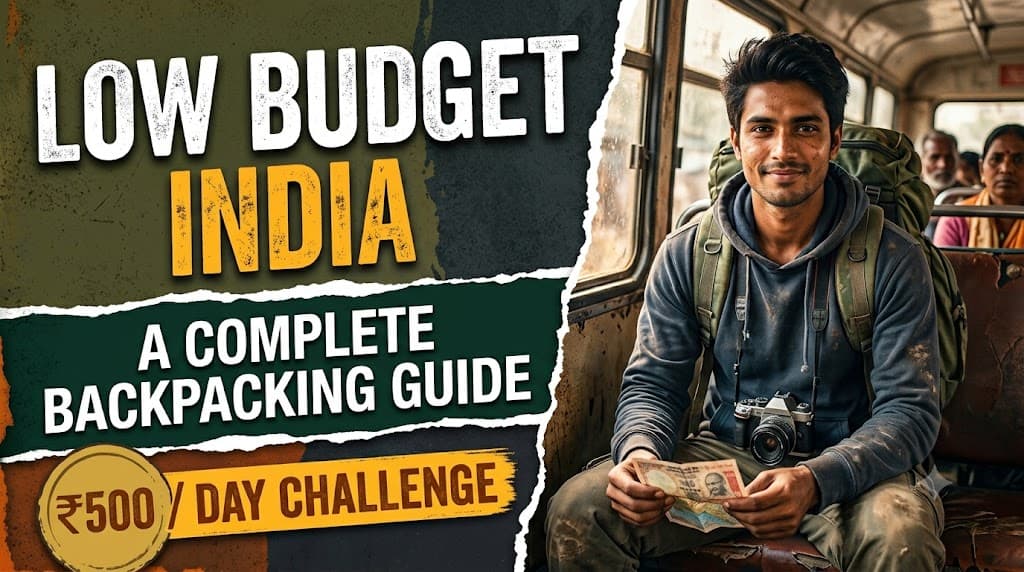
Backpacking Across India on a Low Budget: How to Do It
Backpacking through India is a wild ride—think mountains, temples, street food, beaches, and stories everywhere you look.
The tricky part? Figuring out how to see it all without blowing your budget. Still, with some planning (and an open mind), you can experience a whole lot, stay safe, and spend less than you think.
Why India Is Great for Budget Backpackers
India’s set up for people who want to travel cheap:
- Buses and trains go pretty much everywhere and don’t cost much.
- You’ve got endless options for places to stay, from hostel bunks to homestays to basic guesthouses.
- Food is not only cheap, but every region throws something new at you—think thalis, chai, dosa, samosas, the works.
- Top backpacker stops: Delhi’s chaos, Rishikesh’s spiritual vibes, Goa’s beaches, Hampi’s ruins.
Best Time to Go
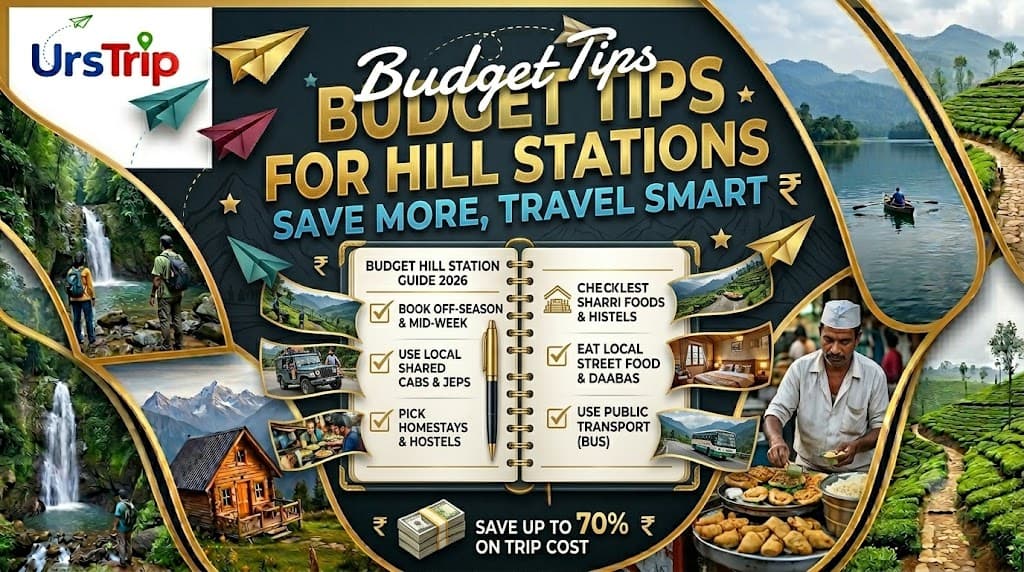
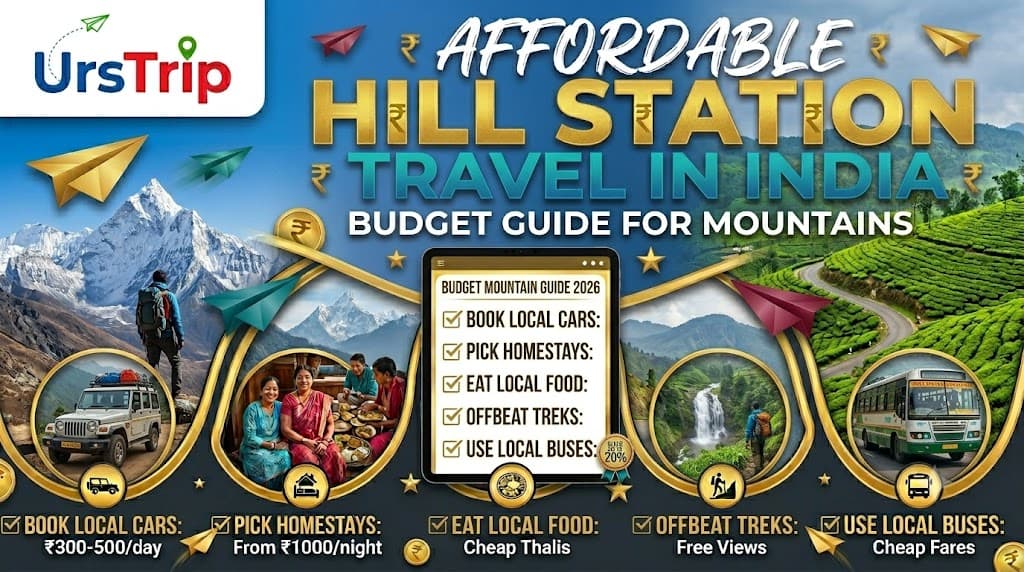
- North India (mountains): March to June—skip the winter snow and monsoon rain.
- South India (beaches): November to February—good weather, fewer crowds.
- Central India (heritage sites): October to March.
If you want to save even more, travel during shoulder seasons. The weather’s still nice, but the crowds (and prices) drop.
Getting Around Cheap
- Fly into big cities like Delhi or Mumbai to start.
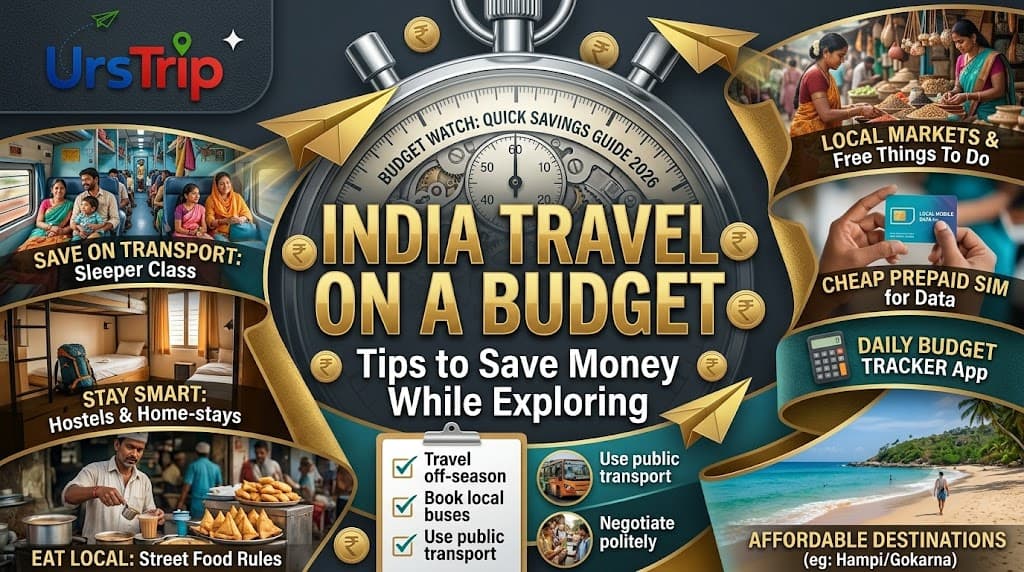
- When covering long distances, take the train. Sleeper class is the cheapest, 3AC is a comfortable upgrade if you need it.
- Buses work for short hops or areas with less train coverage.
- Book your train tickets in advance—especially on popular routes.
Where to Sleep
- Hostels: ₹300–₹800 a night (best for solo travelers and meeting people).
- Guesthouses: ₹500–₹1,500 (good for couples or if you want your own room).
- Homestays: ₹500–₹1,200 (perfect for comfort and local experiences).
Tip: Only book your first night or two, then stay flexible. That way, you’re not chained to a plan.
Experiences You Can’t Miss
Nature & Adventure:
- Trekking in Manali.
- River rafting in Rishikesh.
Culture & Heritage:
- Fort hopping in Jaipur.
- Temple walks in Varanasi.
Chill Time:
- Stay by the beaches in Goa (and don’t pay resort prices).
Eating Well, Spending Less
Look for places packed with locals—go for thalis (₹100–₹200), street food stands, simple dhabas.
Skip the touristy cafes in main spots—you get more bang for your buck and actual local flavor.
Average Daily Budget
- Stay: ₹300–₹800
- Food: ₹200–₹400
- Transport: ₹200–₹700
- Activities: ₹100–₹300
Plan for ₹800–₹2,000 a day and you’ll cover most basics.
Money-Saving Tricks
- Take overnight trains or buses—you’ll save a night’s cost on a bed.
- Stick to public transport instead of cabs and rickshaws.
- Bring a refillable water bottle (it adds up).
- Pack light to avoid extra baggage hassles.
- Secure your train tickets early.
Staying Safe
- Keep your money and passport locked up, or on you in a hidden pouch.
- Use hostel lockers.
- Avoid empty streets at night.
- Tell someone your plans, even just by text.
- Always have local emergency numbers saved in your phone.
Sample 5-Day Itinerary
Day 1 (Delhi): Wander markets, check out the monuments, crash in a hostel.
Day 2 (To Rishikesh): Evening Ganga Aarti—soak up the river energy.
Day 3 (Rishikesh): Yoga in the morning, hit up riverside cafés, walk along the river.
Day 4 (Jaipur): Explore local bazaars, enjoy the chaos.
Day 5 (Jaipur): Visit forts, then head back or onto the next stop.
How to Map Out Your Trip
- Pick your zone: North, South, or West India.
- Choose two or three main destinations—don’t try to cram in too much.
- Figure out how to connect the dots (trains, buses).
- Build in buffer days—things run late, and you’ll want some freedom.
What to Avoid
- Overpacking—dragging a huge bag will exhaust you.
- Booking everything upfront—you’ll miss chances for random adventures.
- Ignoring local buses, rickshaws, and shared autos.
- Not having backup cash in case ATMs don’t work.
FAQs
How much money do I really need each day?
If you stick to budget travel, ₹800–₹2,000 will cover you, day-to-day.
Is it safe to backpack in India?
Yeah, as long as you use common sense. Trust your gut, keep your stuff close, and stay aware.
What’s the cheapest way to get around?
Definitely trains and buses.
Best places for first-time backpackers?
Try Rishikesh, Goa, and Jaipur—they’re popular, easy to get around, and have a good backpacker scene.
Final Thoughts
Traveling India as a backpacker isn’t really about how much you spend. It’s about saying yes to the odd, the beautiful, and the unexpected parts of the country.
If you travel light, stay flexible, and don’t overthink it, you’ll see more, spend less, and probably come home with wild stories you never planned for. India really does reward those who wander.