Published: 20 May 2026, 01:31 pm
The real pros aren’t the ones who blow big budgets—they’re the ones who work out the smartest plans. It’s surprising how quickly costs add up just because of rushed bookings, zig-zagging routes, or paying for stuff you don’t really need.
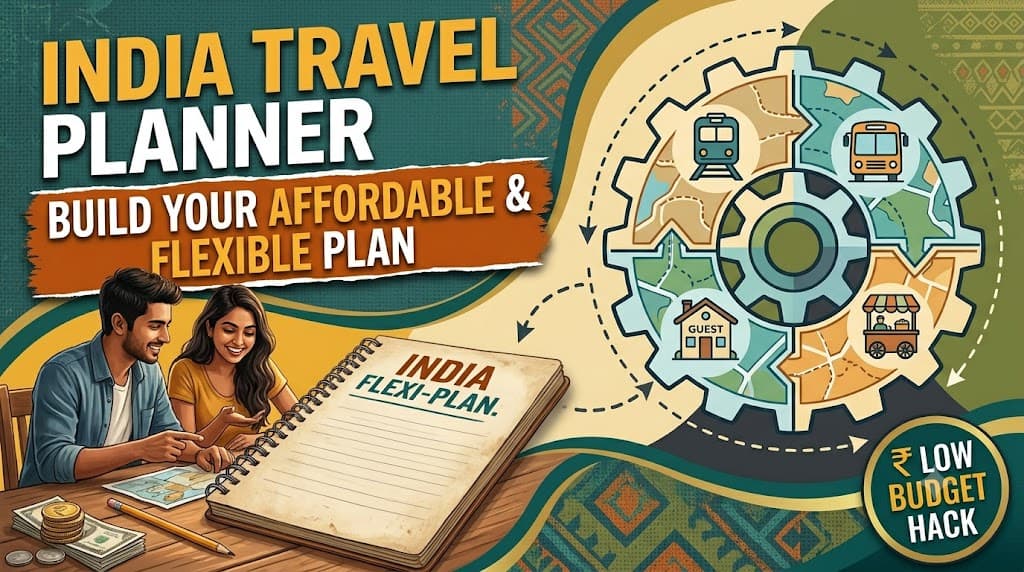
This guide walks you through easy ways to build a travel plan that’s both affordable and comfortable, without feeling like you’re missing out.
India is a dream for travelers who want to make every rupee count. Whether you’re weaving through Jaipur’s markets, soaking in the energy of Varanasi, or unwinding in Rishikesh, it’s completely possible to have a great time without spending a fortune.
Traveling back and forth wastes time and money.
Cluster your destinations, and go in a logical order—no unnecessary backtracking.
For example:
Delhi to Jaipur, then Jaipur to Agra.
Simple route, less spent on transport.
Travel costs swing a lot depending on the season.
Try to skip big holidays or festival weekends when demand (and prices) spike.
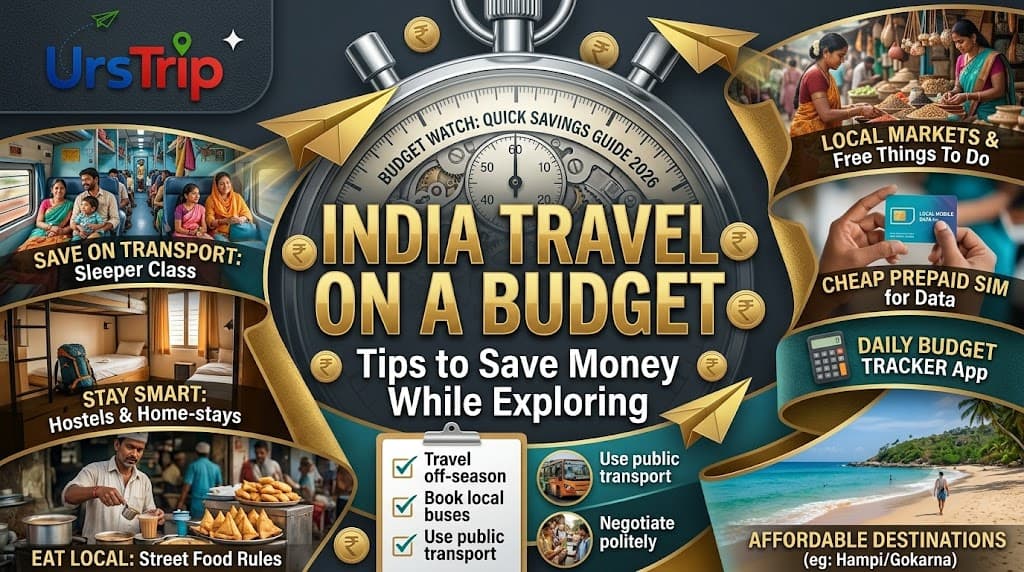
Hostels, budget hotels, and homestays often cost a lot less—especially if you don’t mind staying a little further from major tourist spots.
That extra ten-minute walk can save you a lot.
Street food and local dhabas aren’t just cheap; they’re tasty and filling.
Thalis are great if you want a full meal that doesn’t bust your budget.
High-end tourist restaurants rarely give you more bang for your buck.
Buses, metros, and shared autos are budget-friendly and let you see cities like locals do.
If something is close enough, just walk—you’ll save cash and catch the real vibe of the place.
Not every great memory comes with a price tag.
These experiences cost little—or nothing.
On average, daily travel in India looks like this:
Total: ₹1,000–₹2,500 per day for a solid, comfortable experience.
Day 1 – Delhi:
Check out the city’s markets and monuments. Stay at a hostel.
Day 2 – Jaipur:
Explore forts and bazaars. Eat local street food.
Day 3 – Agra:
Visit the Taj Mahal area. Stay at a budget hotel.
Day 4 – Return:
Head back by train or bus.
Q: How do I save money traveling in India?
Plan your routes well, book early, use public transport, and pick budget places to stay.
Q: What’s the cheapest way to travel there?
Trains and buses are your best bet.
Q: Can you travel comfortably in India on a low budget?
Absolutely. With a bit of planning, ₹1,000–₹2,500 per day gets you far.
Q: Is street food safe for travelers?
Yes, as long as you stick to clean and popular spots.
Saving money on your travels isn’t about missing out—it’s about knowing how to make smart choices. When you plan ahead, pick your timing, and go local, you end up with a more genuine and affordable adventure.
Travel smart, spend on what matters, and let your trip be defined by your experiences—not the bills.