Published: 1 May 2026, 09:07 pm
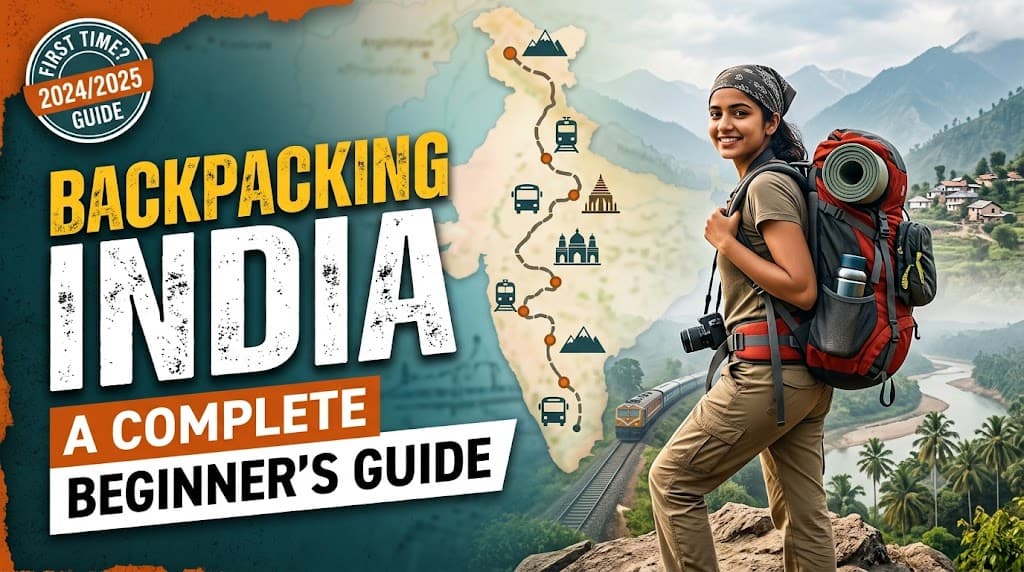
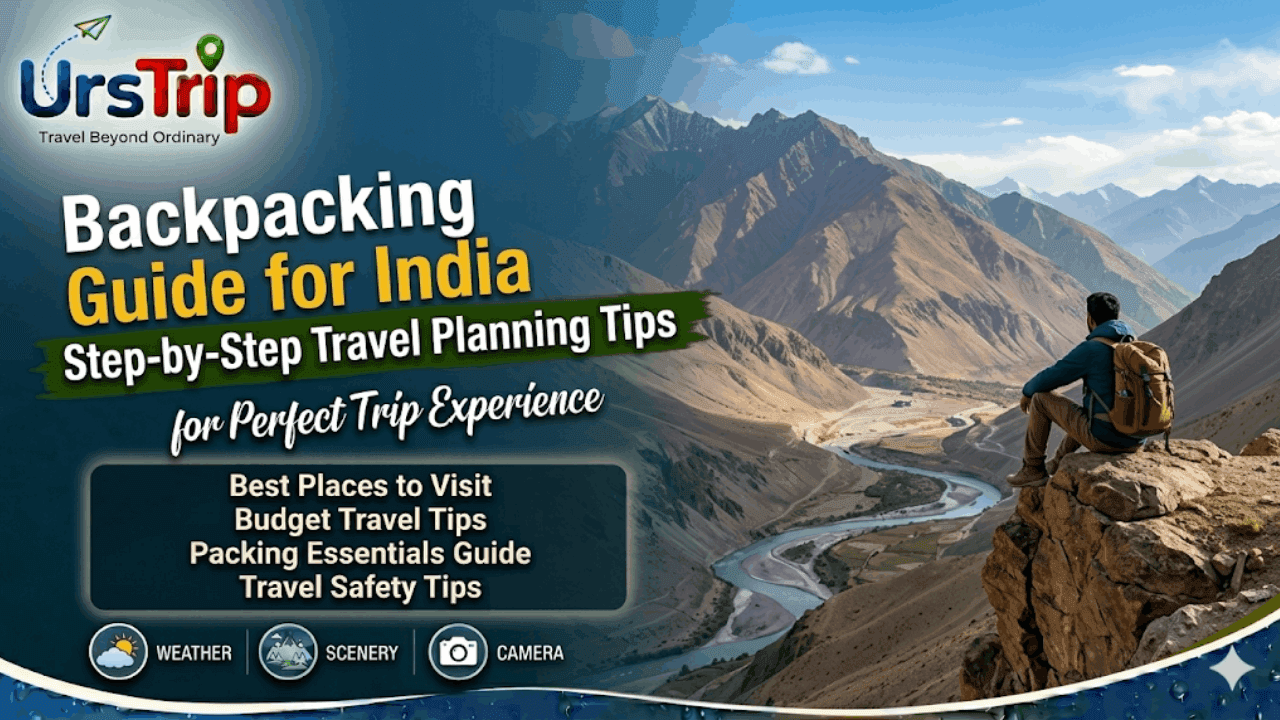
Backpacking through India isn’t your average adventure. It’s messy, surprising, and often teaches you as much about yourself as about the country. The distances are big, the cultures shift constantly, and your plans will probably change more than once. Honestly, the hardest part isn’t choosing where to go—it’s learning how to keep your cool and travel smart without getting lost in the chaos.
That’s where this practical backpacking guide for India comes in. It’s all about realistic choices—routes, budgets, food, transport, and staying safe—so you can ditch the overwhelm and enjoy the ride.
India’s landscape is wildly diverse. You can go from the cool mountain air in the Himalayas to the deserts of Rajasthan, hang out on palm-fringed beaches in the south, or dive into the sensory overload of its big cities—all on a single trip. What makes India perfect for backpackers? It’s affordable, packed with good hostel options, and the culture runs deeper than the best guidebook can tell you. You can take things slow on a tight budget and still have unforgettable experiences.
That said, patience, a bit of planning, and flexibility go a long way—especially if India is your first big backpacking trip.
Picking the right season is half the battle. Here’s the basics:
October to March—This is the sweet spot for almost everywhere. The weather’s pleasant and travel’s easy.
April to June—Great if you’re heading to the hills. It gets brutally hot on the plains.
July to September—Monsoon time. The land’s lush, but expect travel delays.
More specific tips:
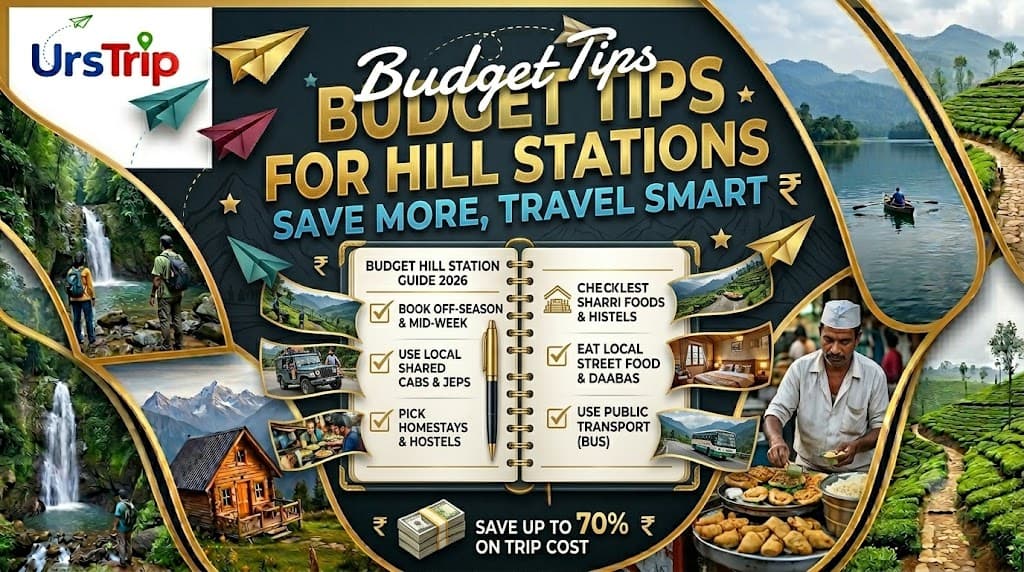
Himalayas: April–June or September–October.
Rajasthan & North India: October–February.
South India: November–March.
Honestly, if you’re new, stick to October through March.
Landing in India? You’ve got big airports like Delhi, Mumbai, Bangalore, and Chennai with lots of international flights.
Once you’re inside the country, here’s how most backpackers get around:
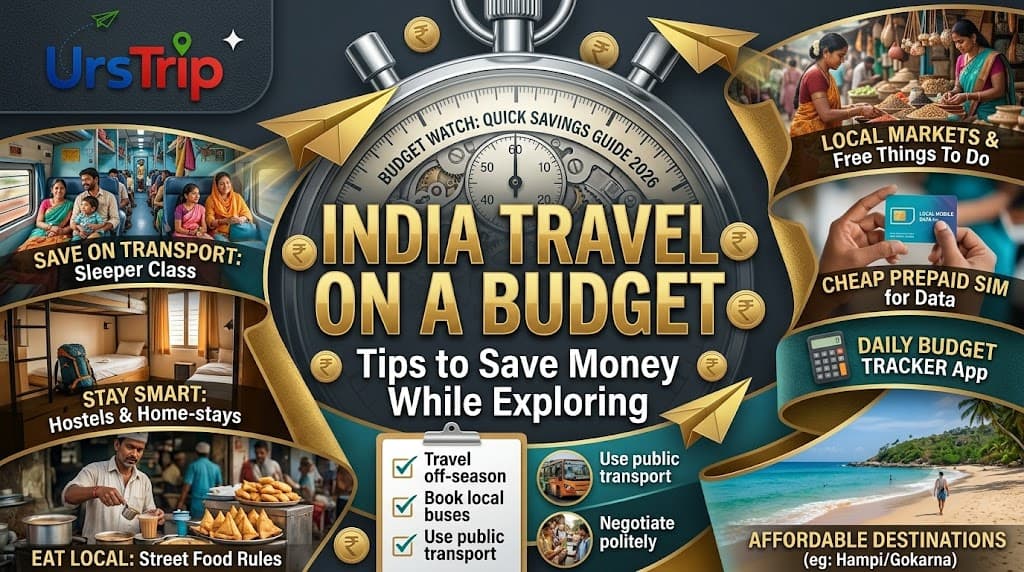
Trains: The classic way to travel India and easiest on your wallet.
Buses: Good for shorter hops, especially overnight.
Budget flights: Handy if you’re short on time.
Shared autos and taxis: Everywhere, especially in small towns.
Trains get booked up fast in peak season, so don’t wait till the last minute.
India’s packed with cheap places to stay, from party hostels to mellow guesthouses. Take your pick:
Hostels: Dorm beds or budget privates, usually social and fun.
Guesthouses: Run by families, quieter, often a better deal.
Homestays: Live with locals and get a deeper taste of the culture.
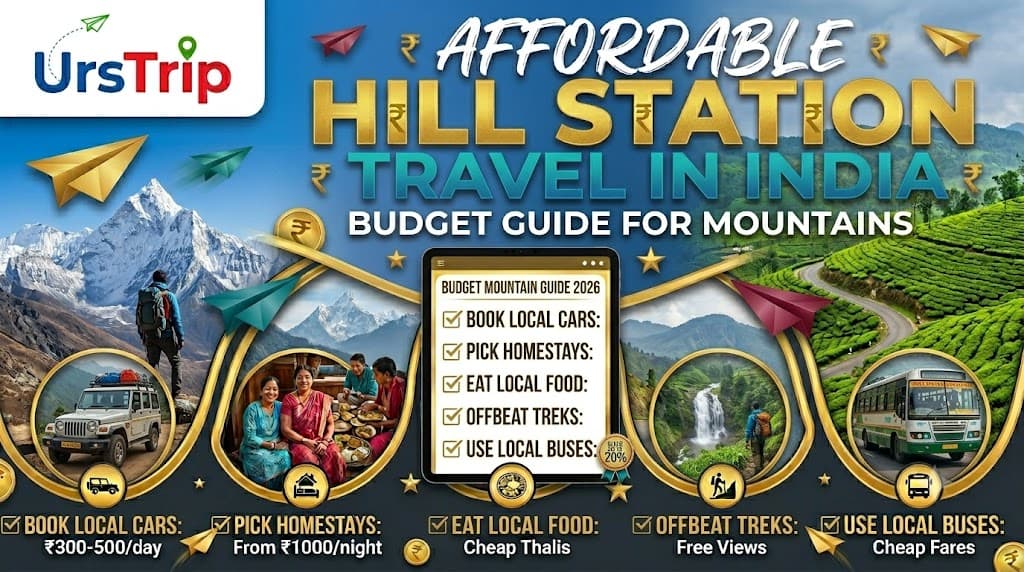
You’ll pay around ₹400–800 for a dorm bed, ₹800–1,500 for a simple private room, or ₹1,500–3,000 for something more comfortable. Smaller towns usually mean better value (and friendlier faces).
A few classic routes make travel planning easy:
Himalayan Route (for nature and a spiritual vibe): Manali → Rishikesh → Dharamshala → Kasol.
Rajasthan (culture and old-world charm): Jaipur → Jodhpur → Udaipur → Jaisalmer.
South India (relaxed, green, slow-paced): Hampi → Gokarna → Munnar → Varkala.
Spiritual & Cultural (deep dives): Varanasi → Bodh Gaya → Pushkar.
Beaches: Goa → Gokarna → Varkala.
If you’re not sure where to start, pick a region and follow the trail—hostels and other travelers will point you the rest of the way.
If you love eating, you’re in luck—India’s a paradise for budget food:
Try a thali (fills you up and covers all the food groups).
Hit busy street food stalls (clean = safer, always check).
Don’t miss South Indian breakfasts, like idli and dosa.
You’ll get by on ₹300–600 per day if you stick to local spots.
A few culture tips: Dress modestly, especially outside big cities, and always ask before taking people’s photos. Respect temples and religious sites—removing your shoes is a must.
Here’s a rough daily budget:
Shoestring: ₹1,000–1,500
Comfortably budget: ₹1,800–2,500
Slow travel: ₹2,500–3,000 and up
India rewards slow travelers. Stay longer in one place, and your daily costs drop fast.
You don’t have to be paranoid, but paying attention helps:
Keep copies of your passport and visa.
Avoid roaming around strange places late at night.
Pick hostels and guesthouses with good reviews.
Drink filtered or bottled water, eat food that’s hot and fresh, and pack some basic meds.
For solo and female backpackers: Stick to busy hostels, avoid wandering alone in quiet spots at night, and don’t be shy about asking locals for directions or help.
Days 1–3: Delhi → Rishikesh (spiritual start)
Days 4–6: Rishikesh → Manali (mountain air)
Days 7–9: Manali → Dharamshala (culture & scenery)
Days 10–11: Dharamshala → Jaipur (desert adventure)
Days 12–14: Jaipur → Varanasi (spiritual finale)
This route mixes India’s highlights with manageable travel stretches—perfect if you’re new and don’t want to burn out.
Is India safe for backpacking?
Yes, if you use common sense—most travelers have a smooth trip by sticking to trusted stays and avoiding sketchy transport.
How much money will I need per day?
₹1,500–2,500 per day is comfortable for most.
Is India good for first-time backpackers?
Absolutely! Stick to the classic routes, take it slow, and you’ll do great.
Do I need to book everything in advance?
Only during festivals or high season. Otherwise, you can stay flexible.
Can I backpack India with just public transport?
Yes. Trains and buses go almost everywhere and don’t break the bank.
Backpacking India isn’t about seeing the most places—it’s about letting the journey set its own rhythm. Some days will feel wild and overwhelming; others, you’ll find calm in chaos. That’s part of what makes India special.
Plan smart, stay open-minded, but let the unexpected shape your trip. Slow down, stay curious, and India will reward you—one wild, colorful day at a time.