Best Time to Visit India by Season
Introduction
India isn’t the kind of place you just show up and experience the same way all year. With a country this big and varied—from beaches to mountains, deserts to rainforests—the time you visit changes everything: the weather, the scenery, even how easy it is to get around.
Some spots practically beg you to come at certain times for the best festivals, wildlife, or landscapes. So, if you want your trip to really click, timing matters.
This guide breaks down the best times to visit India by season, giving you a clear picture of what each part of the year feels like across different regions. Whether you’re flying in for the first time or returning to dig a little deeper, understanding the seasons helps you avoid weather surprises and crowded sights, and actually enjoy the journey.
India’s Travel Seasons at a Glance
India really runs on three main travel seasons:
- Winter (October to March)
- Summer (April to June)
- Monsoon (July to September)
Of course, each one has its perks—and its headaches—depending on where you’re going and what kind of experience you’re after.
Winter (October to March): The Classic Season for India
If you’re after the “classic” India experience, come in winter. Days are pleasant, nights (especially in the north) get chilly, and you can see and do just about anything comfortably.
Weather varies by region:
- North India: Cool days, chilly nights—think light scarves, not snow boots (except in the Himalayas).
- Central & West India: Warm, dry, and super easy for exploring.
- South India: Still warm, but none of that draining humidity.
Top Places to Visit:
- Rajasthan (Jaipur, Jodhpur, Udaipur, Jaisalmer)
- Delhi, Agra, Varanasi
- Kerala backwaters and beaches
- Goa and the Konkan coast
- The wild side: central India’s tiger reserves
Why travel now?
- Sightseeing’s a breeze
- Indians love this time—festivals, weddings, the works
- Great for city life, safaris, and lazy days at the beach
What to keep in mind:
- It’s peak season, so hotels will cost more
- Book trains and flights early (crowds are real)
- Pack some warm clothes, especially for northern evenings
Summer (April to June): Head for the Hills
Summer in the Indian plains? Brutal. But head for the hills, and you’ll see why this is the season for escaping the heat. Families flock to the mountains, and if you
time it right, you’ll get epic views, clear skies, and cool winds.
Weather snapshot:
- Plains: Hot—like, oven-hot. But hotels drop their prices to tempt you.
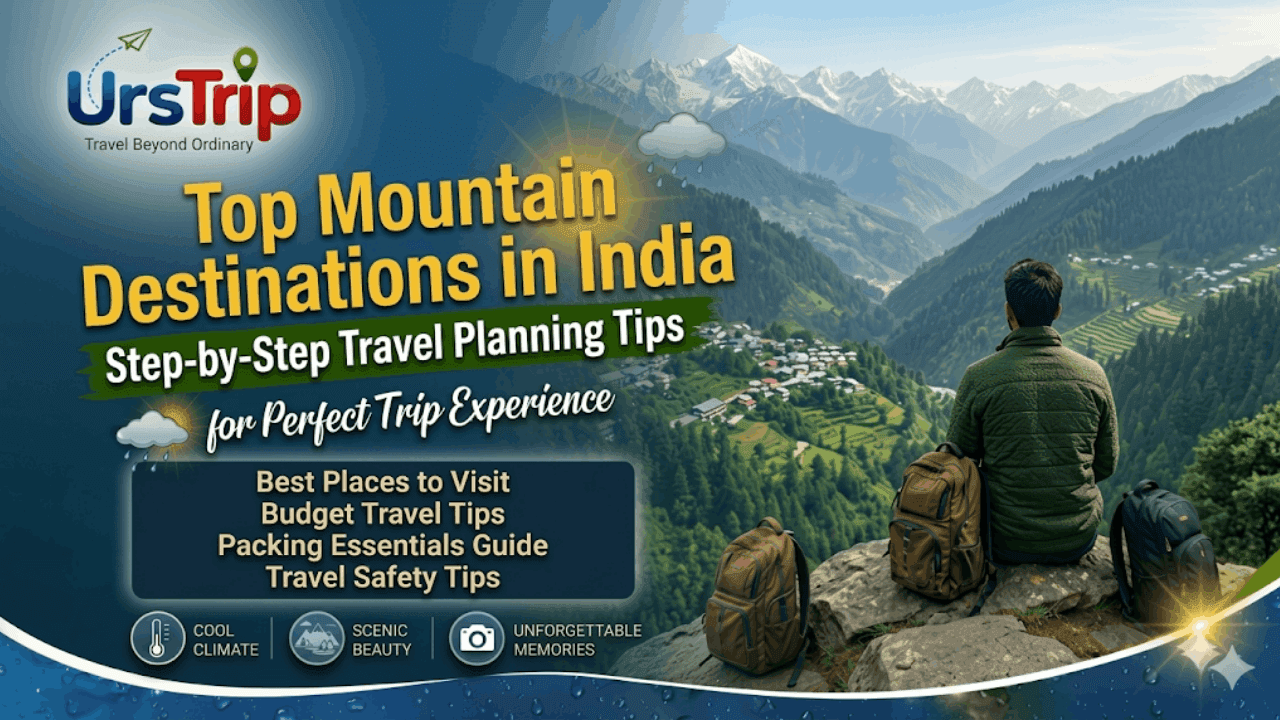
- Hill stations and high altitudes: Crisp mornings, cool evenings, perfect for walking, eating, and just chilling.
Best spots:
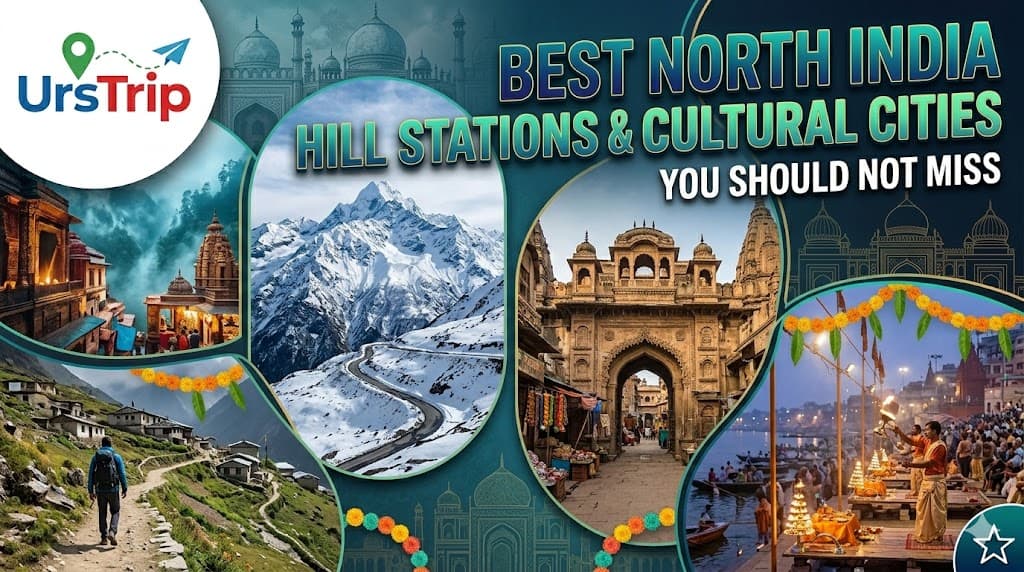
- Himachal Pradesh: Manali, Shimla, Dharamshala
- Uttarakhand: Mussoorie, Nainital, Auli
- Kashmir Valley (like stepping into a postcard)
- Ladakh and Spiti (May onward—the snow clears)
- Western Ghats, Nilgiri hills in the south
Why go now?
- Mountains are never better for hiking or chilling
- It works for families—school’s out
- You’ll get clear weather in high-altitude areas
Tips:
- Hill stations can get busy—book ahead
- The plains? You’ll save, but be prepared
- Start your days early, drink lots of water, watch those roads in the mountains
Monsoon (July to September): Greenery, Drama, and Deals
Monsoon turns the country a hundred shades of green. If you don’t mind the rain—and you plan around it—this can be an amazing (and cheap) time to see a
different side of India. Waterfalls thunder, tea plantations glow, and the crowds melt away.
Here’s what to expect:
- Western Ghats & Northeast: Rain, rain, and more rain. Gorgeous and dramatic.
- Central & North: Rain is more random, not constant.
Go here:
- Kerala for Ayurvedic retreats and lush scenery
- Western Ghats: Munnar, Coorg, Lonavala—foggy, fresh, and beautiful
- Meghalaya, the wettest part of India, becomes magical
- Rajasthan: Lighter rain, but surprisingly pretty
Who should travel now?
- Bargain hunters—accommodation is way cheaper
- People who want space and quiet
- Nature lovers after a bit of drama
Smart travel:
- Watch the weather: landslides do happen, especially in the hills
- Allow a little flexibility in your plans
- Some activities might close or run on ‘monsoon hours’
Best Time by What You Want to Do
- Culture & Heritage: October to March—perfect for walking tours, monument visits, and joining local festivals.
- Wildlife Safaris: November to April—animals come out as waterholes shrink.
- Beaches: November to February—calm seas and balmy evenings.
- Trekking & Adventure: May to June and September to October in the Himalayas; September to October in the Western Ghats.
Sample 10-Day Winter Itinerary
- Day 1–3: Delhi and Agra (think Taj Mahal, forts, street food)
- Day 4–6: Rajasthan’s best cities
- Day 7–8: Kerala’s backwaters
- Day 9–10: Goa beaches
This works best between November and February for the widest weather comfort zone.
Quick FAQs
What’s the best month to visit India?
November and February—they offer the sweet spot for weather across most regions.
Is monsoon a good time to visit?
If you love natural beauty and hate crowds, absolutely. Just watch the weather and stay flexible.
When should international tourists plan their trip?
October through March is safest and smoothest for first-timers.
Is summer a terrible time to visit India?
Not if you stick to the mountains. Otherwise, expect some heat.
Which season is the cheapest?
Monsoon is hands down best for deals.
Final Thoughts: Picking Your Perfect Season
There’s no one-size-fits-all for India. Winter is great if you want to check off the big sights and join the crowd, summer is made for the mountains, and monsoon rewards the adventurous.
Really, it’s about matching your travel vibe to the season. When you know what to expect, you’re way more likely to come home with stories worth telling—and memories you’ll actually want to revisit. Every season in India brings its own magic. Choose the one that fits you best.