Published: 27 Apr 2026, 11:09 am
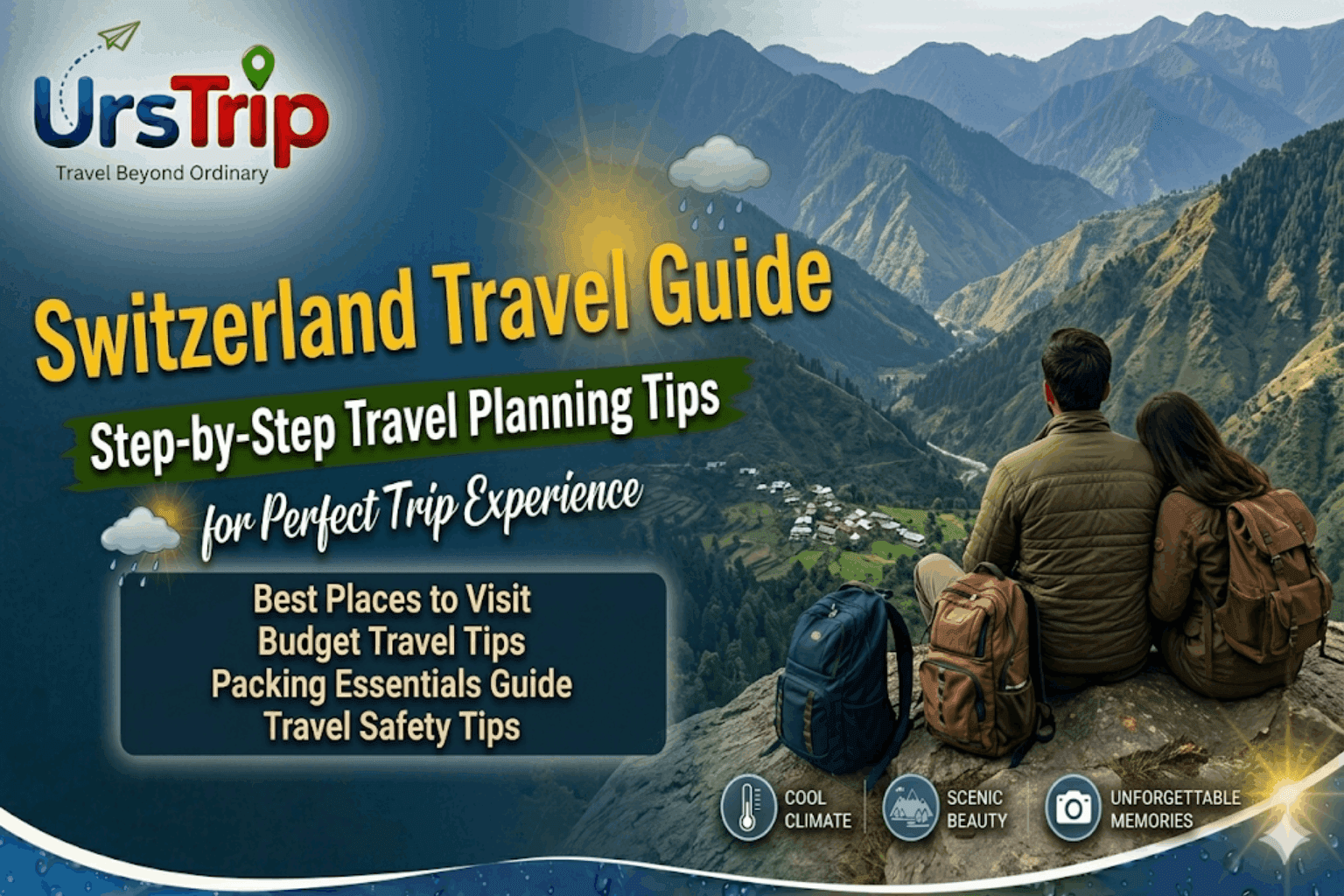
Switzerland feels a bit unreal when you first imagine it—snow-covered mountains, crystal-clear lakes, and picture-perfect villages. Planning a trip, though, can feel confusing with so many options and costs to consider.
This guide makes things simple—when to go, how to travel, where to stay, and what not to miss—so you can plan your trip without stress.
Switzerland is a compact country in Central Europe known for the Alps, scenic lakes, and efficient transport system.
Everything is organized, clean, and safe, making it perfect for smooth travel.
There’s no single best time—it depends on your travel style.
Best for first-timers: June and September
Fly into Zurich, Geneva, or Basel.
If you’re already in Europe, high-speed trains are fast and convenient.
You don’t need a car. Switzerland has one of the best public transport systems in the world.
Many train routes are scenic experiences themselves.
Smaller towns are often cheaper and more scenic.
Lucerne: Chapel Bridge, lake cruise, Mount Pilatus/Rigi
Interlaken: Gateway to Jungfrau region, waterfalls, adventure
Zermatt: Car-free village with Matterhorn views
Bern: Historic old town with medieval charm
Montreux: Lakeside views, vineyards, relaxing vibe
Swiss food is simple but satisfying—cheese fondue, raclette, rösti, chocolate, and pastries.
Eating out is expensive, so many travelers choose supermarket meals for lunch.
Locals value punctuality, cleanliness, and respect in public spaces.
With planning, Switzerland can be more affordable than expected.
Switzerland is one of the safest countries in the world.
Suitable for solo travelers and families.
Is Switzerland expensive?
Yes, but manageable with planning
How many days are needed?
5–7 days
Is it safe for solo travelers?
Yes, very safe
Do you need a visa?
Usually Schengen visa required
Is English spoken?
Yes, especially in tourist areas
Switzerland is best enjoyed slowly—scenic train rides, peaceful lakes, and quiet mountain villages.
Don’t rush. Plan smart, respect local culture, and enjoy the journey. With the right approach, Switzerland becomes not just a trip—but a memorable experience.