Published: 20 May 2026, 10:15 am
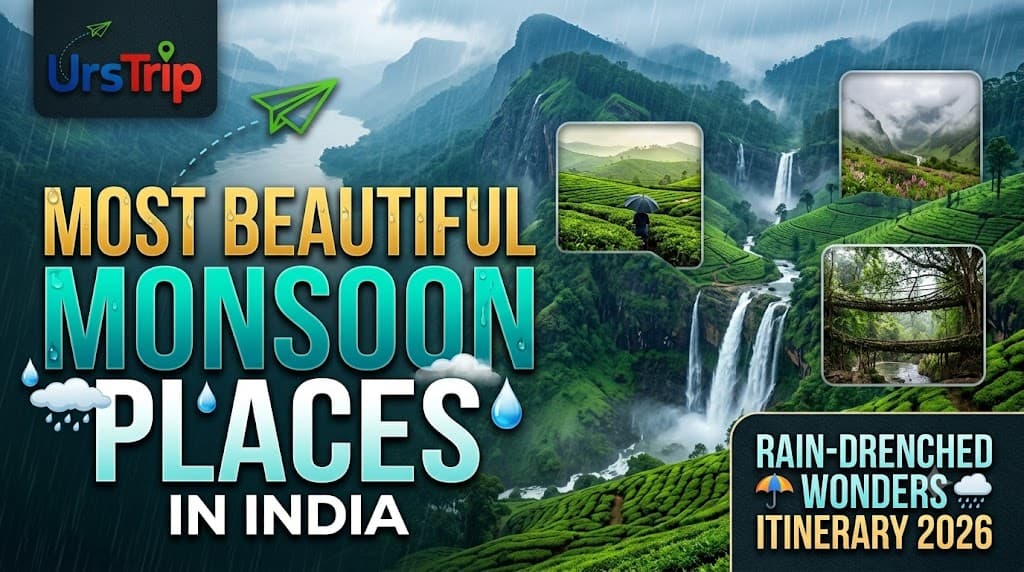
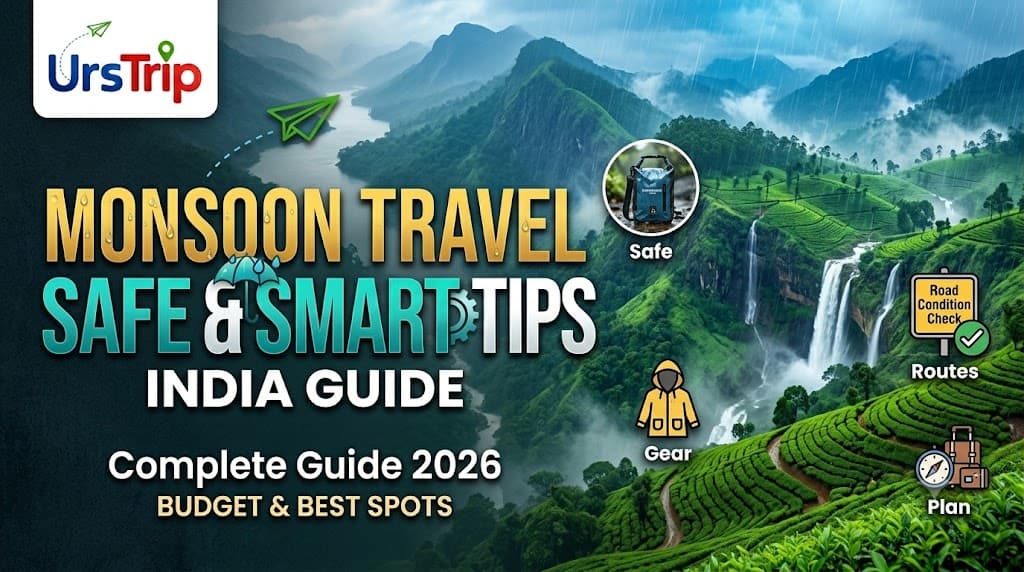
Monsoon in India changes everything. Suddenly, hills are lush, waterfalls roar back to life, and even your usual spots seem completely transformed. It’s a magical time to be on the road, but honestly, those rains can throw a few curveballs your way if you aren’t careful. Slippery roads, sudden delays, and surprise storms—so, a little planning goes a long way.
This guide’s here to help you make your monsoon trip in India as safe and easy as possible.
If you love nature, want quiet places without the crowds, or you’re looking for budget-friendly options, the monsoon is perfect. Think misty mornings, fresh air, and
landscapes that feel totally new.
Some spots are beautiful, but risky during heavy rains. Stick to places with good accessibility and fewer landslides or floods.
Where to go?
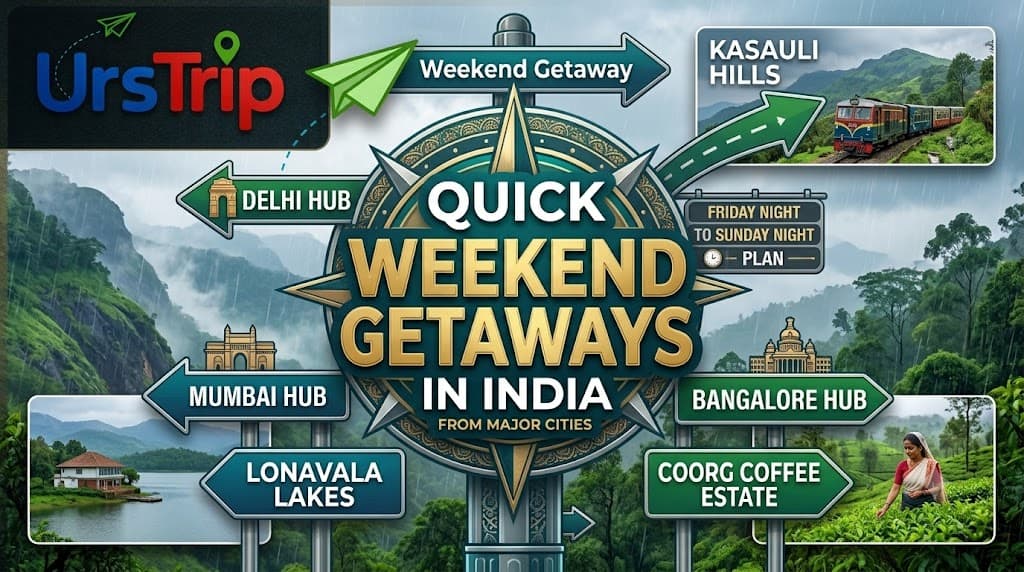
Try Coorg—it’s gorgeous and safe. Lonavala’s great for a quick getaway. Udaipur doesn’t see too much rain and those lakes are stunning. Munnar gives you green
hills and endless tea gardens.
What to skip?
Stay clear of landslide-prone mountain roads or places that flood easily.
Timing matters. South India’s monsoon kicks in from June to September. West India sees rain from June to August, and North India’s best from July to September.
Honestly, traveling at the start or toward the end of the season is easier, with fewer hiccups.
Take a train or a flight if you can—long road trips can get dicey. If you’re driving, always check the road conditions before you start. Avoid nighttime drives in hilly
areas; it’s just safer.
You’ve got options for every budget:
One thing you’ll want is a place with good access and backup power in case the lights go out.
Don’t leave home without:
Go see waterfalls—they’re at their best now. Take scenic drives, stop at cozy cafés, and try local food as the rain falls outside. Everything just feels slower and more
comfortable.
Rainy days call for hot, regional dishes and street food. Find a local café and soak up the laid-back vibe.
Travel during weekdays—places are quieter and cheaper. Book hotels ahead for deals, use public transport, and check out off-season discounts.
Health-wise, pack basic meds, drink clean water, and avoid street food if the rain’s pouring.
Day 1: Arrive and tour a coffee plantation
Day 2: Chase waterfalls, take in the views
Day 3: Chill before you head back
Is it safe to travel in India during the monsoon?
Yes, as long as you’re careful about where you go and what you do.
What should I pack for a monsoon trip?
Rain gear, waterproof shoes, quick-dry clothes, and your must-haves.
Where are the best places for monsoon travel in India?
Coorg, Munnar, Lonavala—they’re all solid choices.
What should I avoid?
Risky treks, flood-prone areas, and winging it.
Monsoon travel in India is a chance to slow down and really soak in nature. With some planning and flexibility, you’ll find the rainy season is actually one of the most peaceful and refreshing times to explore. Don’t worry about dodging every shower—learn to travel with the rain, and you’ll have a trip to remember.