Published: 30 Apr 2026, 07:58 pm
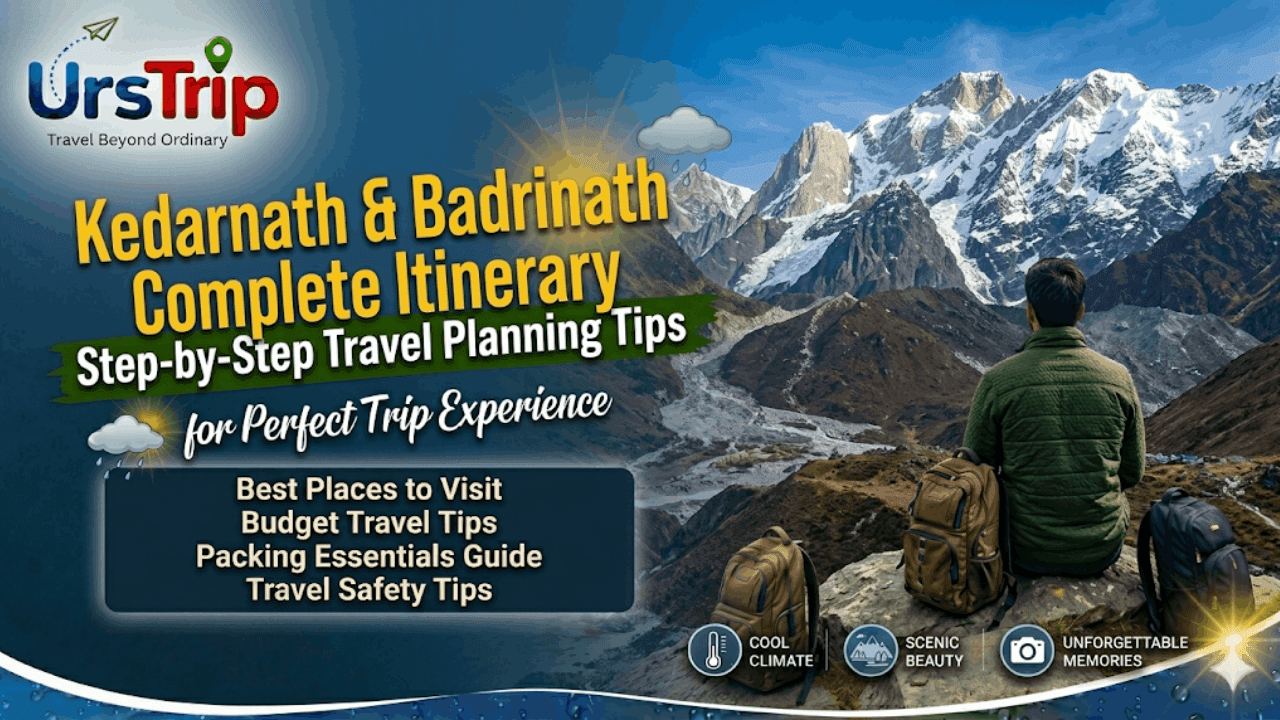
For a lot of people, traveling to Kedarnath and Badrinath isn’t just another trek through the mountains—it’s something deeper, something spiritual. But let’s be honest, the journey isn’t easy. The roads twist, the weather changes in a flash, and basic comforts can be rare. Good planning goes a long way. That’s why this guide lays out everything: routes, timing, where you can stay, what you’ll eat, safety pointers, and a realistic five-day plan. Whether you’re visiting the Char Dham circuit for the first time or you’ve done it before, it’s all about being informed and prepared, so you can focus on the experience itself.
Kedarnath and Badrinath sit high in Uttarakhand’s Garhwal Himalayas, each with its own deep spiritual pull. Kedarnath honors Lord Shiva and sits nearly 3,600 meters up. Badrinath, dedicated to Lord Vishnu, is at about 3,100 meters. Most people tackle Kedarnath first, then Badrinath, because the route makes more sense and it helps you get used to the altitude.
You want to plan your trip for May or June, or after the monsoon—September through October. That’s when the weather is pleasant and the roads are open. Avoid July and August; rains hit hard, and so do landslides. In winter, the temples shut down completely. Even outside of monsoon, weather turns fast up here, so build in a buffer day or two just in case.
Most journeys start from Haridwar or Rishikesh. From there, you’ll head to Devprayag, then Rudraprayag, and on to Guptkashi or Sonprayag.
To reach Kedarnath, you’ll go from Sonprayag to Gaurikund—a quick ride by local transport. From Gaurikund, there's a 16 km trek to the temple. You can walk, hire a pony or palki, or (if the weather’s right) hop on a helicopter.
Once you’re done at Kedarnath, the route to Badrinath is by road: Guptkashi to Joshimath, then Badrinath. Roads are good in the main travel season, though sometimes they get crowded or slow when weather acts up.
On the way up to Kedarnath, you’ll find basic budget lodges and government guesthouses in Gaurikund or Sonprayag. Near the temple itself, expect simple dharamshalas and tented stays—don’t count on much comfort up here.
Over at Badrinath, the temple area has affordable hotels, GMVN guesthouses, and some mid-range hotels in Mana village or Joshimath. If you’re visiting in May or June, book your rooms well in advance.
Don’t expect fancy meals—simple vegetarian food like dal, rice, roti, and sabzi is the norm. Along the trek, you’ll find tea, snacks, and packaged food. No non-veg is allowed near the temples.
The vibe is deeply spiritual. Dress modestly and be respectful—especially during morning and evening aartis. Go easy on food and drink plenty of fluids to help your body deal with the altitude.
Around Kedarnath, check out Bhairavnath Temple or, if you’re up for an extra trek, Vasuki Tal. River views along the Mandakini are hard to beat.
Near Badrinath, take a dip in Tapt Kund’s hot water spring, visit Mana—the last village before the border, see Vasudhara Falls, and stop by Mata Murti
Temple. These places give the pilgrimage an extra layer—beyond just temple visits.
You can do this trip on a budget. Ride in shared taxis or buses, stay at government guesthouses or dharamshalas, and skip last-minute helicopter rides (they cost way more). Carry a refillable water bottle and try to start each day early, so you won’t need to spend extra on emergency transport.
Here’s a quick budget breakdown (per person):
Transport: ₹8,000–₹12,000
Accommodation: ₹1,000–₹2,000 per night
Food: ₹300–₹500 per day
Extras: ₹2,000
Take some time to adjust before starting the Kedarnath trek—acclimatization really matters. Bring basic medicines and warm clothes no matter when you travel.
Don’t drive at night in the hills. Keep an eye on weather and road updates. You’ll need to register for the yatra as per state rules, and travel insurance is a smart move. If you’re bringing older family members, get a doctor’s go-ahead first.
How many days do you need for Kedarnath and Badrinath?
Plan for at least 5–6 days to keep things safe and comfortable.
Is the Kedarnath trek tough for beginners?
It’s mid-level tough, but do-able if you go slow and take breaks.
Can senior citizens go to Kedarnath?
Yes, but they’ll need to be medically fit, go slow, and use help like ponies or helicopters.
Is yatra registration required?
Yes, absolutely. Do it before you travel.
What should I pack?
Bring warm clothes, rain gear, sturdy shoes, and sun protection.
A journey to Kedarnath and Badrinath is about faith, sure, but it’s also about planning and patience. The mountains don’t mess around. They’ll test you, but they also reward you—with peace, beauty, and moments you’ll remember. Go in prepared, take care of yourself and your group, and lean on good advice from people who know the terrain. That’s how you make your pilgrimage safe, meaningful, and unforgettable.