Visa Process Guide for Indians: Clear Steps, Country by Country
Why the Visa Process Feels So Complicated
Traveling abroad is exciting, but if you’re an Indian passport holder, the visa process can feel like a maze. Booking a flight or hotel is easy enough—navigating visa paperwork is not. Each country has its own set of rules, document requirements, and timelines.
And honestly, if it’s your first time, all those forms and embassy visits can be confusing and stressful.
This guide breaks it all down. You'll know exactly what kind of visa you need, how to apply, what documents to gather, and how long it all takes. Plus, we’ll flag the
common mistakes that get people rejected, so you can avoid them and travel stress-free.
Visa Basics: What You Need to Know
What is a Visa?
A visa is official permission from another country stamped in your passport (or sometimes just sent as an email) that lets you enter, stay, or pass through for a set
amount of time and a specific reason.
Indians usually apply for visas for:
- Tourism
- Business trips
- Studying
- Working a job
- Connecting flights (transit)
Types of Visas for Indian Travelers
Tourist Visa
For holidays, sightseeing, or visiting family and friends.
Business Visa
For meetings, conferences, or short work trips.
Student Visa
If you’re enrolling in college, a university, or any long-term program abroad.
Work Visa
Needed for jobs or long-term professional roles.
Transit Visa
For layovers in another country on your way to your final destination.
Step-by-Step: The Usual Visa Application Process
Most countries expect you to follow a similar routine, even if the details change a bit.
- Figure out which visa you need
- Check eligibility on the embassy or consulate website
- Fill out the application form (online or paper)
- Collect all your documents
- Book your appointment (if you need one)
- Go for your interview or biometric data
- Pay the fees
- Wait for the processing
- Get your visa result
Visa Application Documents: What You’ll Need
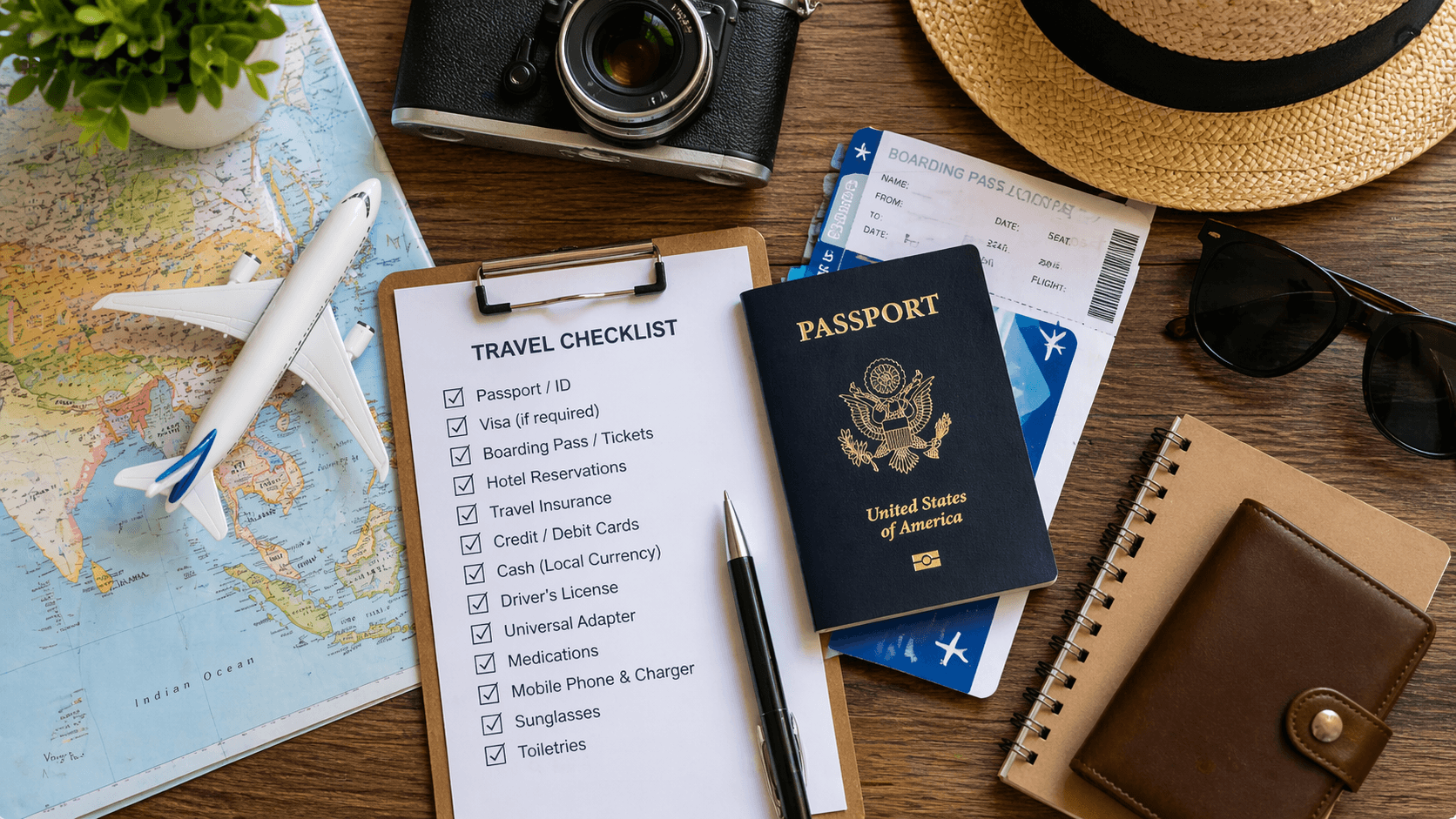
- Valid Indian passport (good for at least 6 more months)
- Recent passport-sized photos
- Completed visa form
- Travel plans: itinerary or flight bookings
- Proof of where you’ll stay (hotel, invite letter, etc.)
- Bank statements (usually last 6 months)
- Recent income tax returns (sometimes required)
- Travel insurance (must-have for Europe and a few others)
- Cover letter explaining why you’re traveling
Quick tip:
Always use real documents and don’t fudge the details. False info is the easiest way to get your application denied.
Country-Specific Visa Highlights
United States (B1/B2 for Tourism/Business)
- Apply online (DS-160 form)
- Attend an in-person interview
- Give biometrics and hand over your passport
- Processing can be slow—weeks or even months
- Interview performance and proof of intent to return to India are crucial
Schengen Area (most of Europe)
- One visa covers 27 countries
- Biometrics and travel insurance are required
- Usual processing time: 10–15 days
- Apply through the country you’ll spend most of your stay in
United Kingdom (Standard Visitor Visa)
- Fully online application
- Biometric appointment required
- Decision comes in about 15 working days
Australia (Visitor Visa, Subclass 600)
- Most applications are online
- Might call you for biometrics
- Strong proof of finances needed
United Arab Emirates (Tourist Visa)
- Choose e-visa or a visa sponsored by someone in the UAE
- Fast: 3–7 days
- Often, airlines or hotels help you sort the paperwork
Visa Fees and Processing Times (Ballpark Figures)
| Visa TypeProcessing TimeFee Range (INR) |
| Tourist Visa | 3–30 days | ₹2,000–₹15,000 |
| Student Visa | 2–8 weeks | ₹5,000–₹25,000 |
| Work Visa | 1–3 months | ₹8,000–₹30,000 |
Fees can shift a bit depending on exchange rates and which country you’re applying to.
Main Reasons Visas Get Rejected
- Missing or inconsistent documents
- Not enough funds in the bank
- No clear travel purpose
- Weak connections/ties to India
- Previous immigration problems
In short, most refusals happen because something’s missing, cash seems low, or you haven’t explained your travel plans well.
Money-Saving Tips for Visa Applications
- Never submit fake hotel or flight bookings
- When possible, use refundable reservations
- Apply well ahead to skip last-minute charges
- Bundle your documents in a neat, logical order
Staying Safe With Your Application
- Only use official embassy websites or authorized visa centers
- Don’t share your passport or info with dodgy travel agents
- Keep copies of everything you submit
- Track your application status frequently
Sample Tourist Visa Timeline
Days 1–3
Figure out your visa type and check requirements
Days 4–6
Collect documents, fill in the form
Day 7
Head out for your interview or biometrics
Days 8–25
Wait for a decision
Day 26 onward
Get your passport and see your result
Popular Questions Indians Ask About Visas
Do Indians need a visa for every country?
Nope. Some countries allow visa-free or visa-on-arrival entry, depending on India’s agreements.
How early should I apply?
Best to apply 4–8 weeks before your trip, especially if it’s a busy travel time.
Do I have to show my bank balance?
Yes. Countries like to see that you can cover your travel costs.
Can I reapply after being rejected?
Yes, as long as you’ve fixed whatever caused the rejection.
Do kids need their own visas?
Absolutely. Every traveler, even children, must apply separately.
Is travel insurance compulsory?
It's a must for Europe and highly recommended for every international trip.
Wrapping Up: Planning Visas With Confidence
Visa rules can look overwhelming, but once you know what you’re doing, it’s just another part of your travel checklist. Indian travelers who gather their documents early, fill in everything honestly, and give themselves enough time usually get their visas without issues.
Different countries judge applications in different ways, but honesty and clear plans matter no matter where you’re going.