Published: 5 May 2026, 09:12 am
Travel usually kicks off with that thrill of adventure, but let’s be honest—planning can suck the excitement right out. Suddenly you’re new to a hundred questions:
Where should I go? How much will it cost? What do I book first? What can’t I forget to pack? Skip the prep, and you risk overspending, rushing around, missing out,
and dealing with way too much stress.
This guide cuts through the chaos. No matter if you’re plotting a quick weekend escape or a longer trip, these steps will help you go from vague plans to a smooth,
enjoyable journey—without getting tangled up in details you don’t need.
Start simple: why do you want to travel? Your purpose steers every choice. People travel to relax, chase adventure, dive into a new culture, hang out with family, or
even squeeze in some work on the road.
Ask yourself:
How many days do I really have?
What kind of weather do I want?
Am I traveling alone, with family, or as a couple?
Am I after a buzzing city or a chill, quiet spot?
If your time is short, pick somewhere close with easy transportation and stuff packed nearby.
You’ll have a smoother trip if you know what you can spend. Your money mostly goes to transport, where you sleep, meals, activities, and a backup stash for
emergencies.
A good breakdown is:
Stick to it, and you won’t blow your savings on day three.
When you go is everything—cost, crowds, even the vibe. Peak season’s great for weather but rough on your wallet. Shoulder season? Decent weather and smaller
crowds. Off-season means major deals but, yeah, maybe some closed attractions.
How do you choose?
Check the local forecast, if there are big festivals or holidays, and when school vacations hit. Honestly, just before or after peak times usually gets you the best mix of
good deals and good weather.
How are you getting there? Far away usually means flying. Trains or buses work for regional trips. Want freedom? Rent a car.
Look around for deals, especially if you’re traveling at busy times. And definitely lock in your time off and itinerary before buying plane tickets—you’d be surprised
how many people skip that.
Are you all about hostels and guesthouses? Like a nice hotel or serviced apartment? Want luxury? Pick what fits your budget and comfort level.
Check:
Staying outside tourist spots often means cheaper prices and more peace.
Don’t overplan.
On a 3–5 day trip:
Day 1: settle in and take it easy
Day 2: hit the main sights
Day 3: try out local food and culture, maybe slow down
Add day trips or shopping if you’ve got time. Two or three big things per day is enough—leave space to rest or deal with surprises.
Tasting the local food is half the fun, but bad choices might mess up your stomach (or your trip).
Street food is usually cheap and great, just stay smart about where you eat.
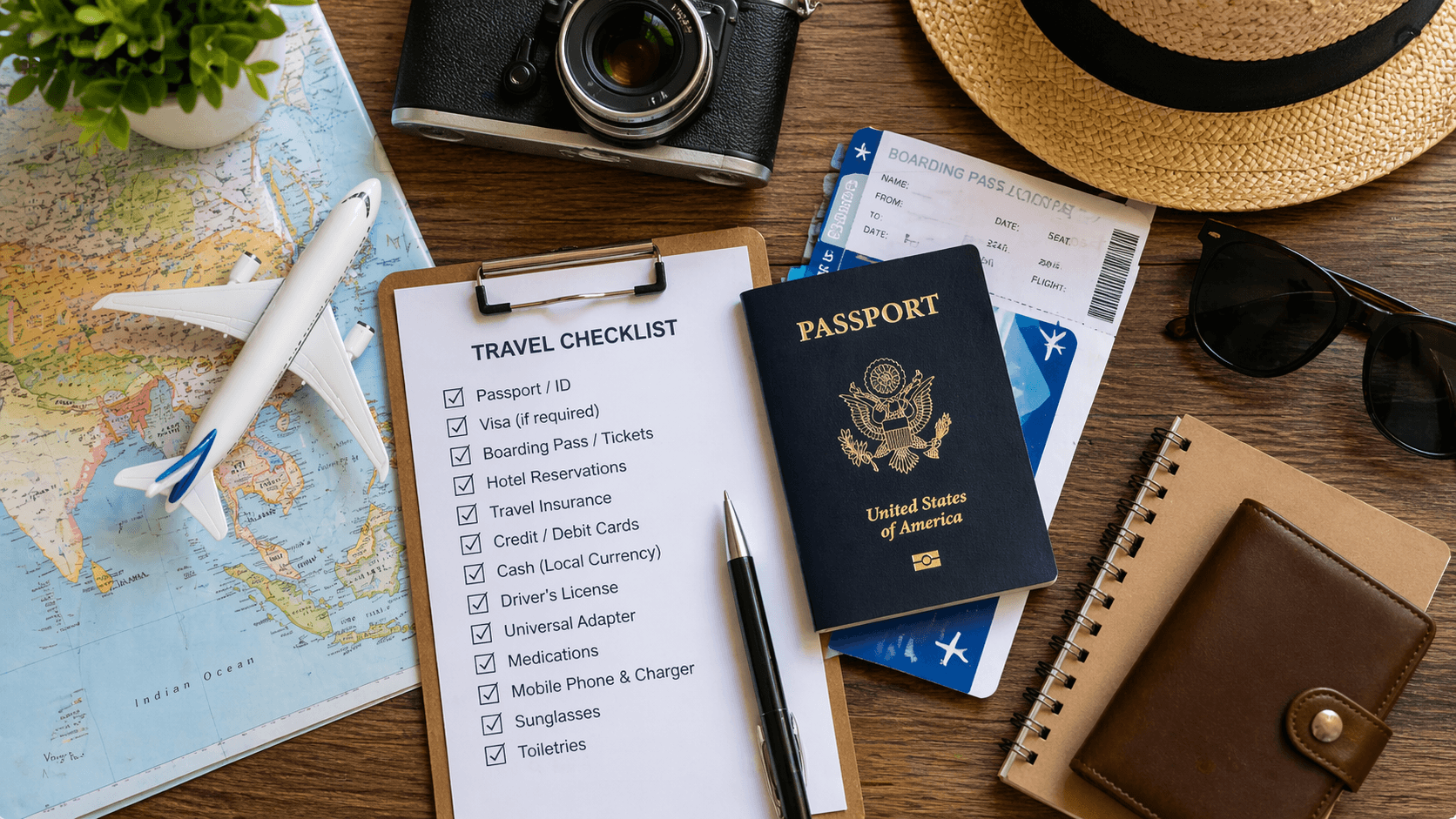
Don’t bring your whole closet. Essentials:
Pack layers instead of bulky stuff. Leave room for shopping.
Keep everything handy:
How do I plan a trip from scratch?
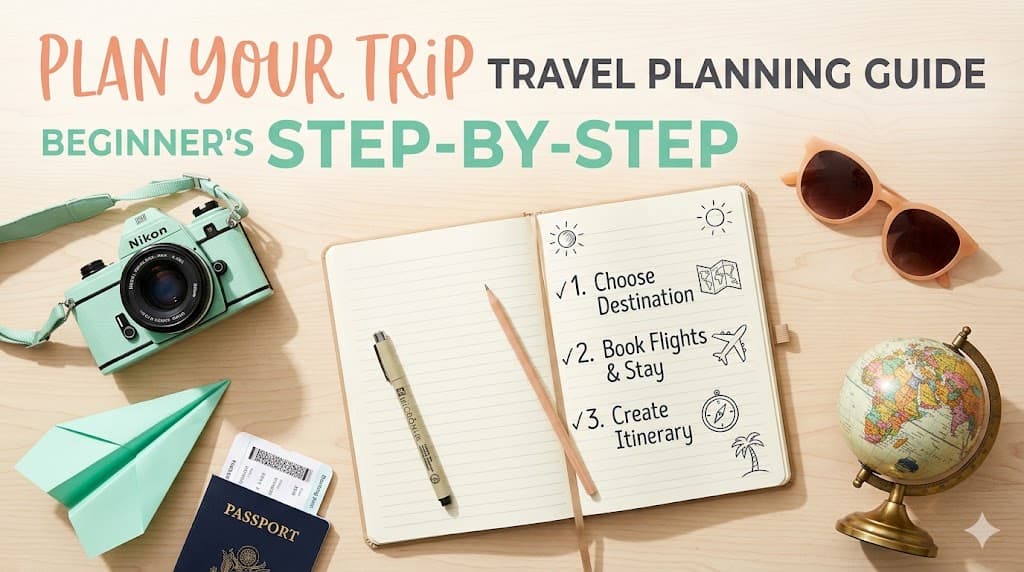
Start with where you’re going and why, set a budget, book your flights and stays, sketch a rough itinerary, handle paperwork, and pack.
How much time should I spend planning?
For short trips, a few days to plan will do. Big trips need two to three weeks of prep.
What’s the most common travel planning screw-up?
Trying to fit in too much and ignoring travel time.
Should I map out every move or stay flexible?
Book flights and hotels, but keep daily plans open.
How do I travel on a budget?
Go off-peak, book early, use public transport, and stay in budget places.
The real win in travel planning isn’t about controlling every second—it’s about keeping things clear so you can just enjoy the journey. When the basics are set, you’re free to relax, soak it all in, and welcome the surprises that make trips unforgettable.
Stick to a simple process:
set your priorities, budget smart, pace your days, and pack thoughtfully. You’ll save time, stress less, and get the space to experience those unplanned moments that stick with you long after you’re home. That’s what