Published: 27 Apr 2026, 09:08 am
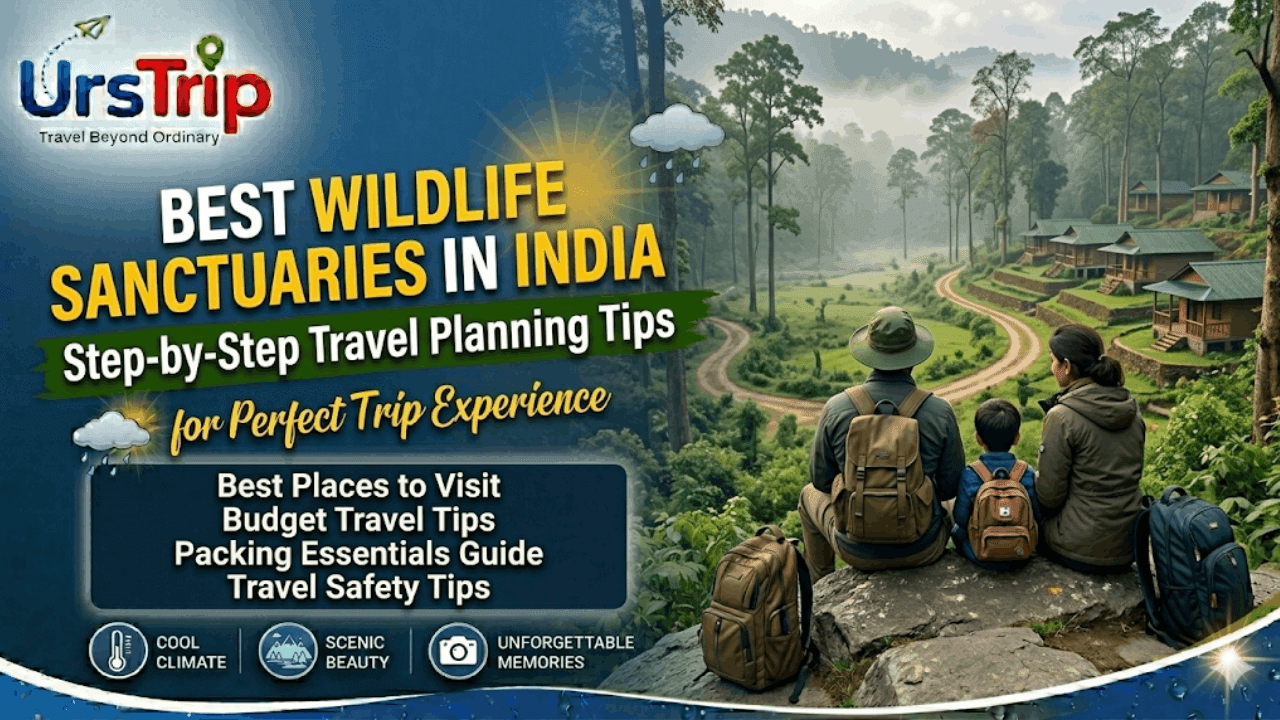
Explore the wild side of India, away from the cities and noisy crowds. Here, nature takes the lead—think quiet forests, winding animal trails, and mornings spent tracking wildlife instead of traffic. If you’re craving that rare connection with the natural world, India’s wildlife sanctuaries are where you’ll find it.
This guide is for anyone who’s curious about Indian wildlife. Maybe you’re new to safaris, or maybe you can’t stay away from the jungle. Either way, you’ll get real-world advice: where to go, what to keep in mind, and how to travel responsibly and safely.
If you want history and adventure rolled into one, start here. As India’s oldest national park, Jim Corbett mixes thick forests, rivers, and grasslands—and yes, there
are tigers. You’ll spot other animals too, and the birdlife is just as impressive.
Best time to visit: November to June (some zones open at different times)
Getting there: Ramnagar is the nearest city, well-connected by train and road. Pantnagar is the closest airport.
Staying options: From budget homestays right outside the park to mid-range jungle lodges and forest-facing luxury resorts—there’s something for every budget.
What to do: Jeep safaris (especially Dhikala and Bijrani zones), guided birdwatching walks by the Ramganga River, and nature walks with local guides.
Taste of local life: Simple North Indian cooking, and if you’re lucky, some hearty Kumaoni home-food.
Budget tip: Early morning safaris on weekdays usually cost less.
Sample three-day plan: Arrive and stretch your legs with a village walk. Day two—book morning and evening safaris. On your last morning, go birdwatching by the river before heading out.
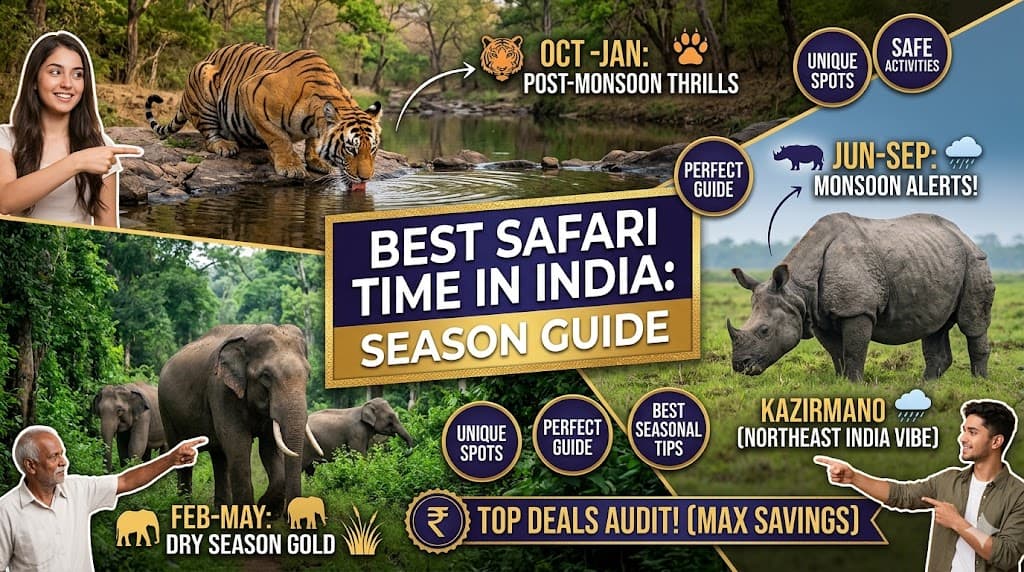
Here, ancient ruins and lakes set the stage for some of India’s best tiger sightings. Come from October to June. The real tiger action happens March to May. Don’t skip a trip to Ranthambore Fort or a lakeside animal watching spot.
This UNESCO World Heritage site is the stronghold of the one-horned rhino. You’ll find endless grasslands, elephants, and some of the best birdwatching in the country. Visit between November and April to see the park at its best.
If you want the best chance of spotting a tiger, try Bandhavgarh. It’s got one of the highest tiger densities in India. Go on a jeep safari in the Tala and Magadhi zones between October and June.
The world’s largest mangrove forest feels almost otherworldly. Here, the Royal Bengal Tiger rules, and exploring by boat safari—through twisting creeks and lush mangroves—is unlike anywhere else. Visit during winter, from November to February.
Relaxed and lush, Periyar wraps around its own lake deep in the Kerala hills. October to April is a great window. Hop on a boat safari, or join a forest trek with the guides who live and breathe this wilderness.
If spotting an Asiatic lion is on your list, Gir is the only place to do it. Visit between December and March. Lion-tracking safaris and conversations with local villagers are the highlights here.
Feathered travelers from across the world flock to Bharatpur, especially in winter. Bicycles and your own two feet are the best way to spot birds from October to March.
Which is the best wildlife sanctuary in India?
Jim Corbett, Ranthambore, and Kaziranga are top choices, thanks to their biodiversity and safari options.
When is the best time for wildlife safaris in India?
Go between October and April for most parks.
Are wildlife sanctuaries safe for families?
Yes, if you stick to authorized zones and follow the rules.
Can children visit wildlife sanctuaries?
Most parks welcome kids, but some safaris have age restrictions—double-check before you go.
Is wildlife tourism expensive in India?
Not always. Shared safaris and homestays can keep costs down.
Visiting India’s sanctuaries is like pressing pause on busy, modern life. Each landscape—whether tangled forest, endless grassland, thick mangrove, or sprawling wetland—tells a new story. With good planning, a sense of adventure, and a bit of respect for the wild, you’ll come home with richer memories than any photo could hold.