Published: 20 May 2026, 05:10 pm
Water sports can be a blast—so long as you play it safe. The thrill comes from enjoying yourself, not risking it all because you skipped the basics.
So many accidents happen simply because people ignore common-sense stuff like checking the weather, wearing proper gear, or picking shoddy operators.
Honestly, the difference between a great day on the water and a disaster is often just smart choices.
This guide lays out the must-know safety tips for water sports in India. Whether you’re eyeing Goa, Rishikesh, or the Andaman Islands, these places offer amazing,
well-organized experiences—but you still need to look out for yourself.
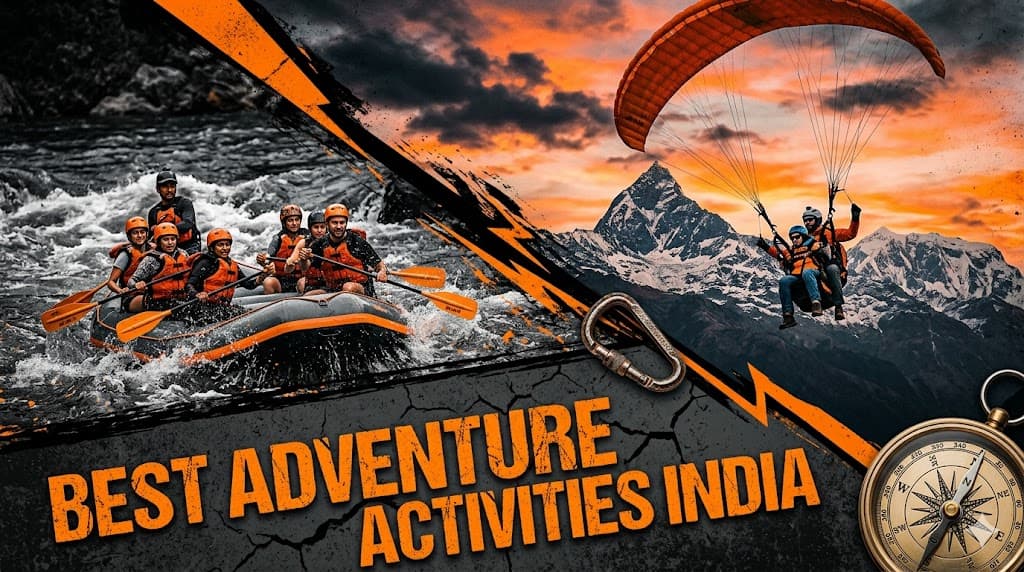
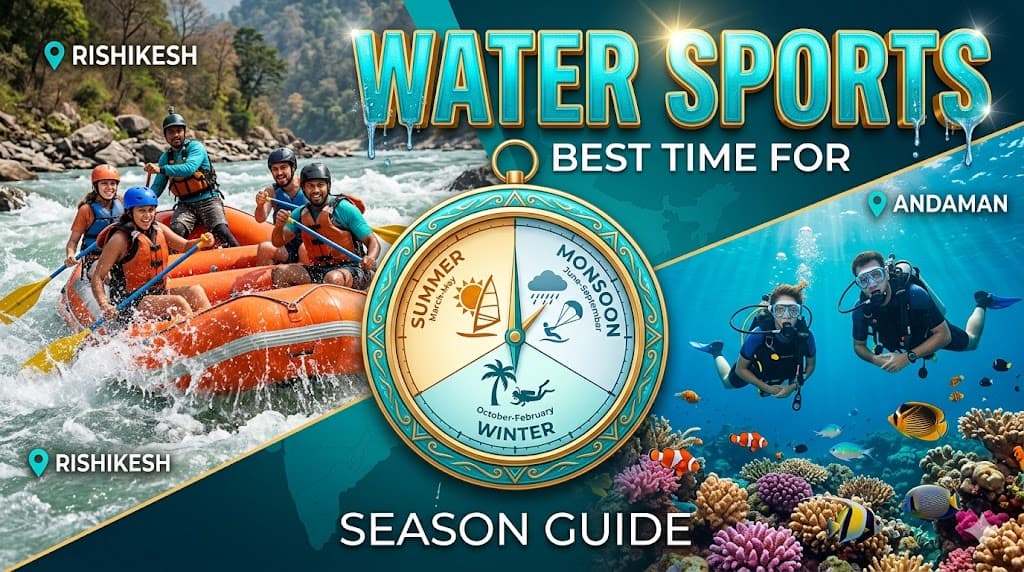
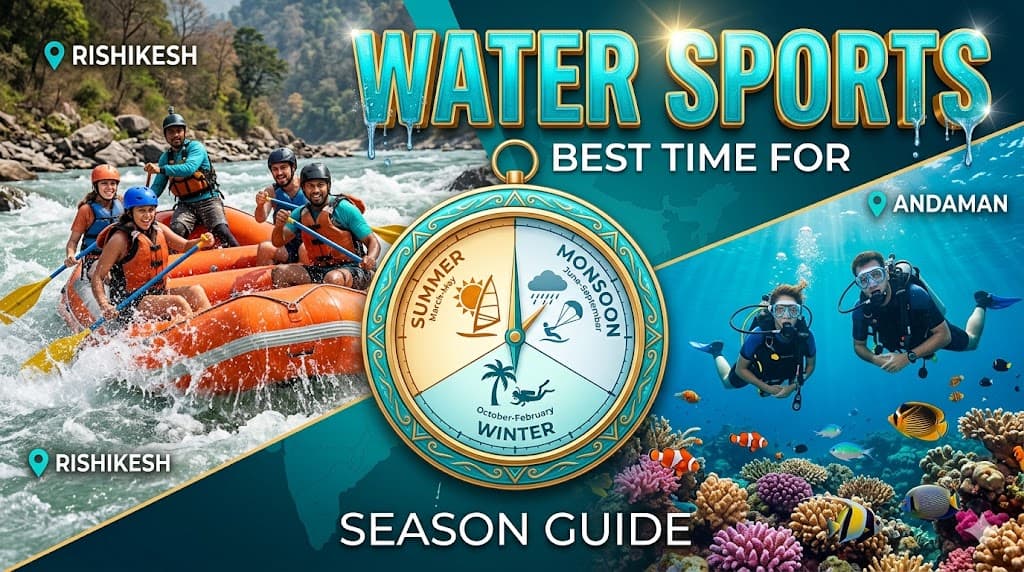
You’ve got options all over the country. The famous ones—Goa’s beaches, Rishikesh’s rivers, and the Andamans’ pristine waters—are all set up for tourists.
But timing matters:
Skip the monsoon—the currents get wild and the weather flips fast.
Stay close to the action:
Being nearby means less hassle, quicker access, and a safer experience.
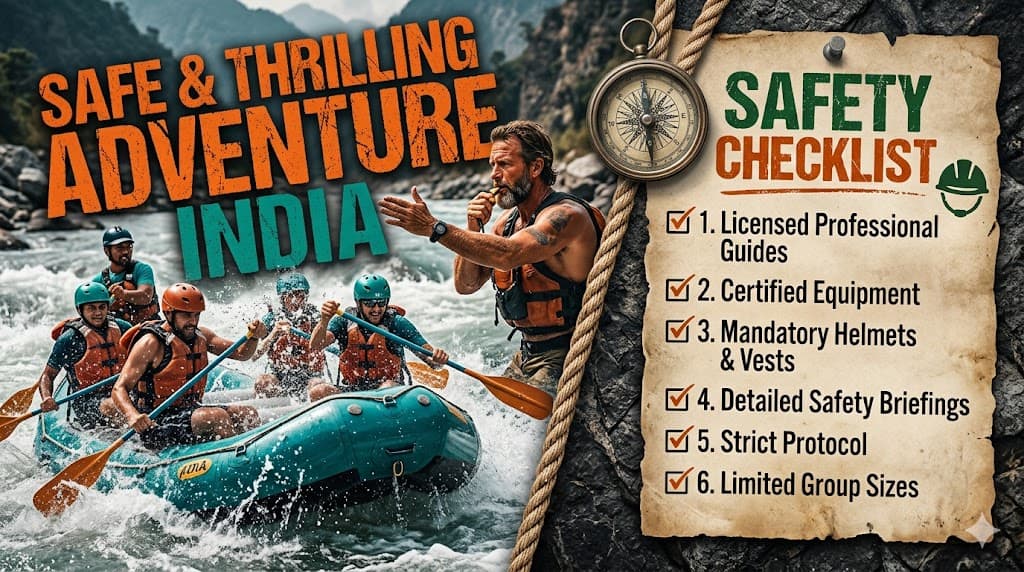
Make sure your operator is licensed. Check certifications, read real reviews, and avoid deals that seem too cheap.
Always wear:
Confidence is great—but gear keeps you safe.
Pay attention to safety briefings. Ask questions if needed and follow instructions strictly.
Avoid storms and strong winds. Always confirm conditions before booking.
Start with beginner-friendly activities. Don’t jump into extreme sports immediately.
Alcohol affects coordination and increases risk. Most operators won’t allow participation if you’ve been drinking.
Inform instructors about:
Drink water and avoid heavy meals before activities.
Stick with your group or instructor—especially in open water.
Know exit points, keep emergency contacts, and stay calm if something goes wrong.
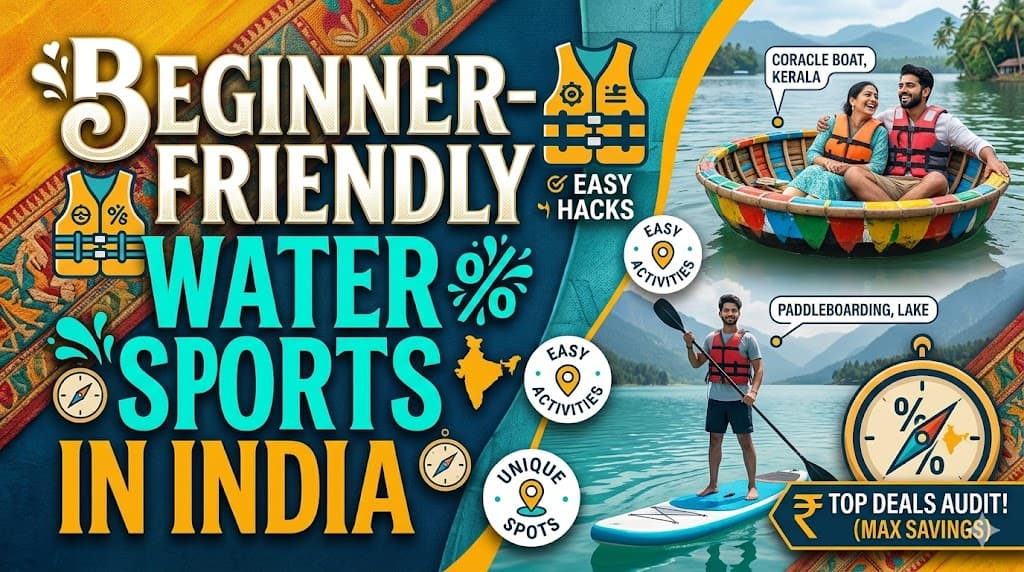
If you’re new, try:
All are safe, guided, and beginner-friendly.
Try local flavors like Goan seafood and Kerala cuisine. Stay hydrated and respect local customs and safety rules.
Day 1: Arrive, settle in, explore
Day 2: Jet skiing, parasailing, banana ride
Day 3: Light snorkeling, relax, return
Is water sports safe for beginners?
Yes, if you follow safety steps and use certified operators.
Can non-swimmers join?
Yes, with proper gear and guidance.
Safest beginner sport?
Kayaking and snorkeling.
Avoid monsoon?
Yes—conditions become unsafe and unpredictable.
In the end, water sports are all about having fun—not risking your safety. Stick to the basics, pick good operators, know your limits, and you’ll enjoy every second.
When you’re prepared, adventure feels even better. Plan smart, stay safe, and make your water sports memories unforgettable.