Published: 21 May 2026, 10:07 am
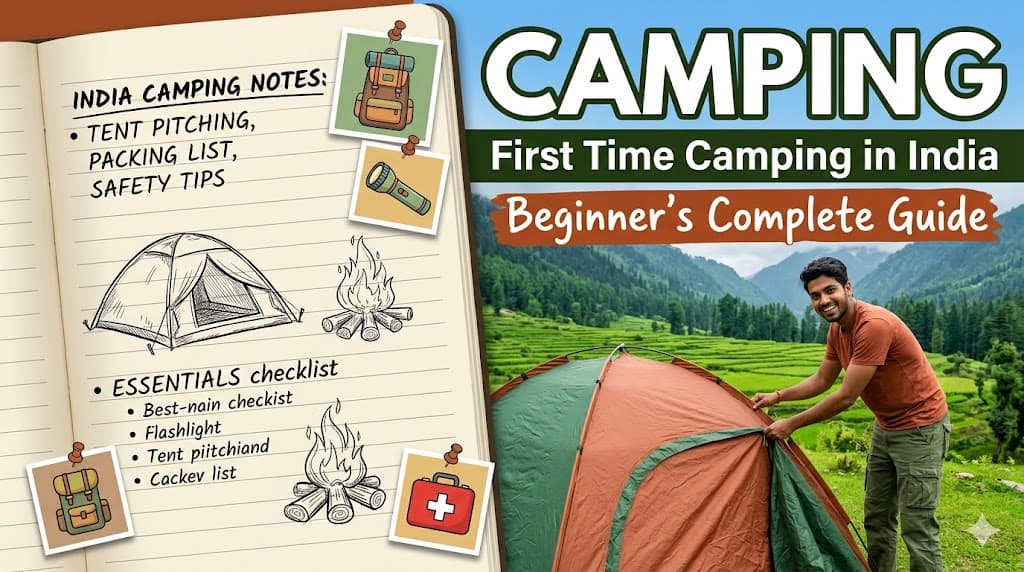
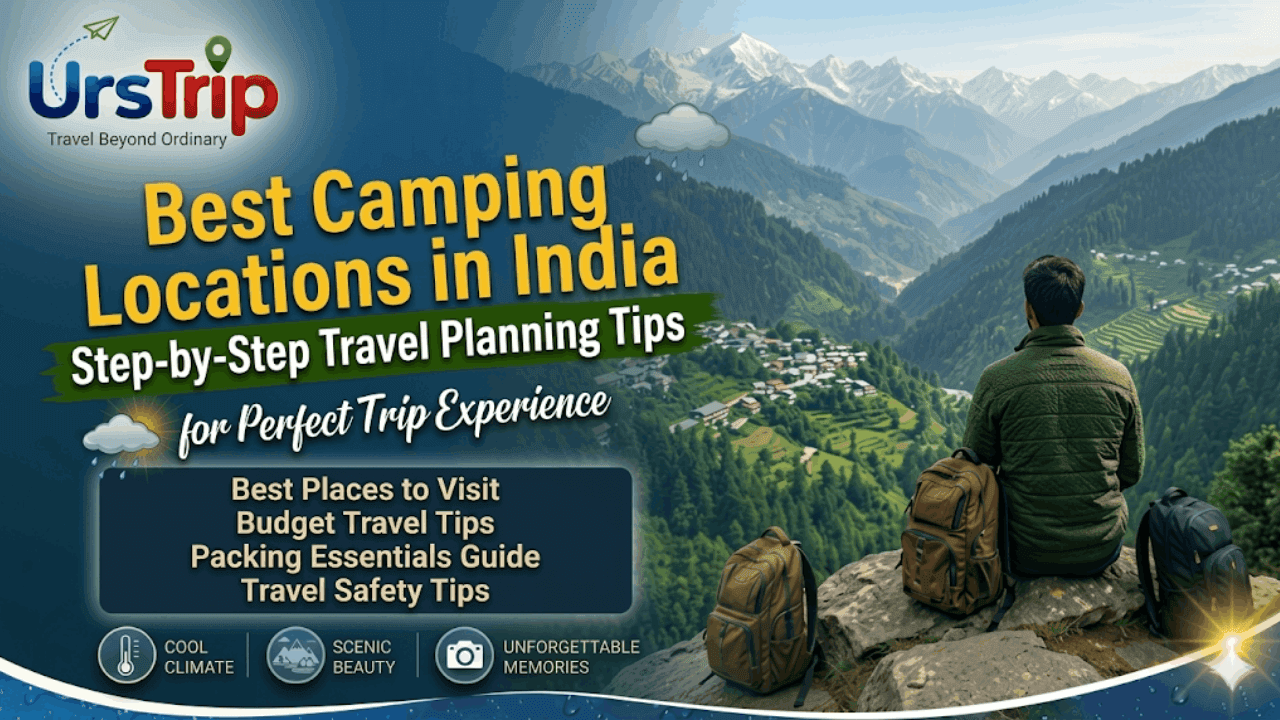
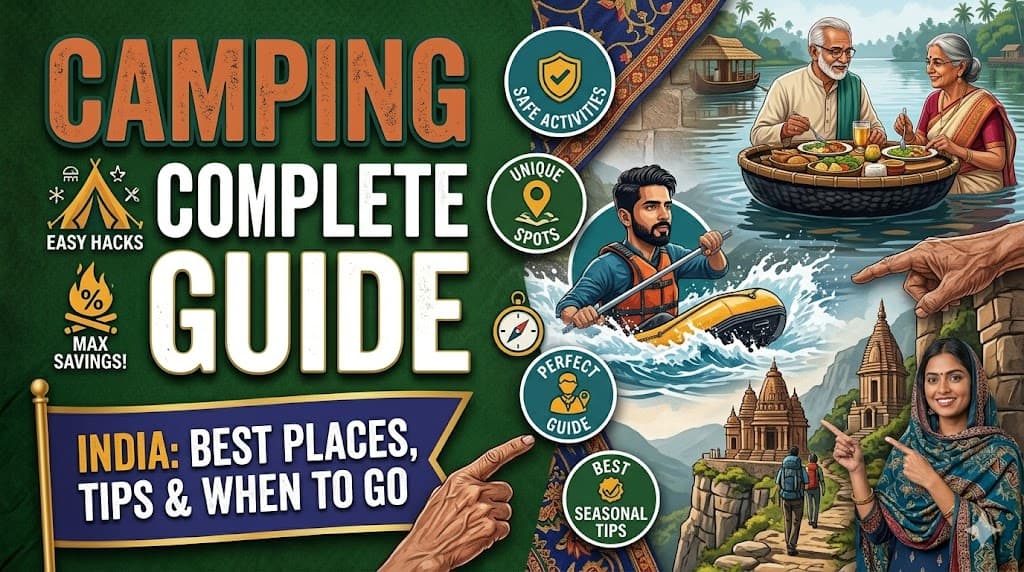
Planning a camping trip in India isn’t just about getting away—it’s about waking up to sunrise over the Himalayas, swapping stories by the campfire, and finding peace that’s hard to come by in the city.
But, honestly, without proper prep, your trip can turn sour fast. Weather can change in a blink, and some campsites come with their own safety headaches. So, a little homework goes a long way if you want your adventure to be fun and safe.
India’s got something for every kind of camper.
You might want the calm of riverside camps in Rishikesh, chase some altitude in Spiti Valley, or sleep in the soft sands of Jaisalmer’s desert. The choices are endless.
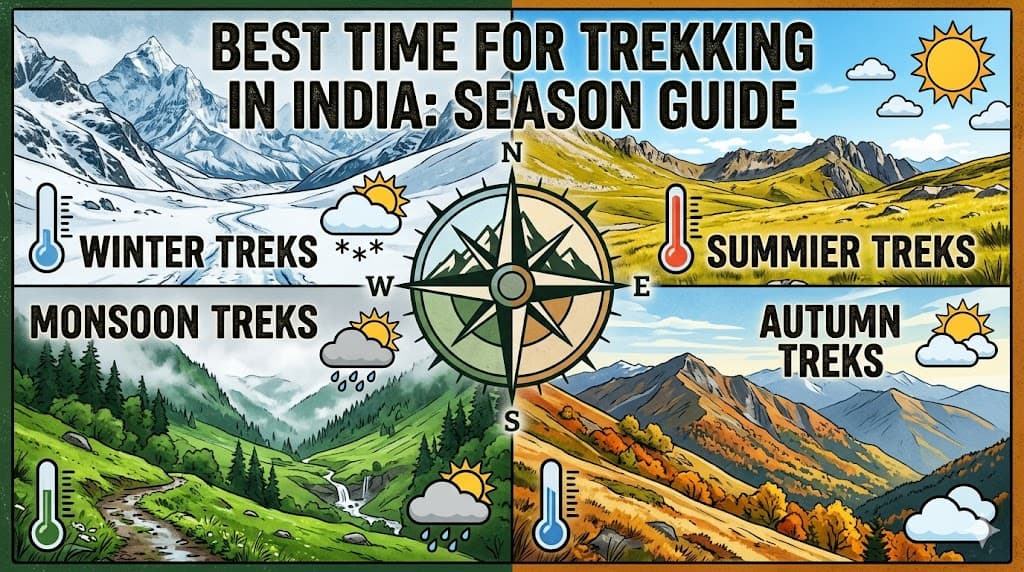
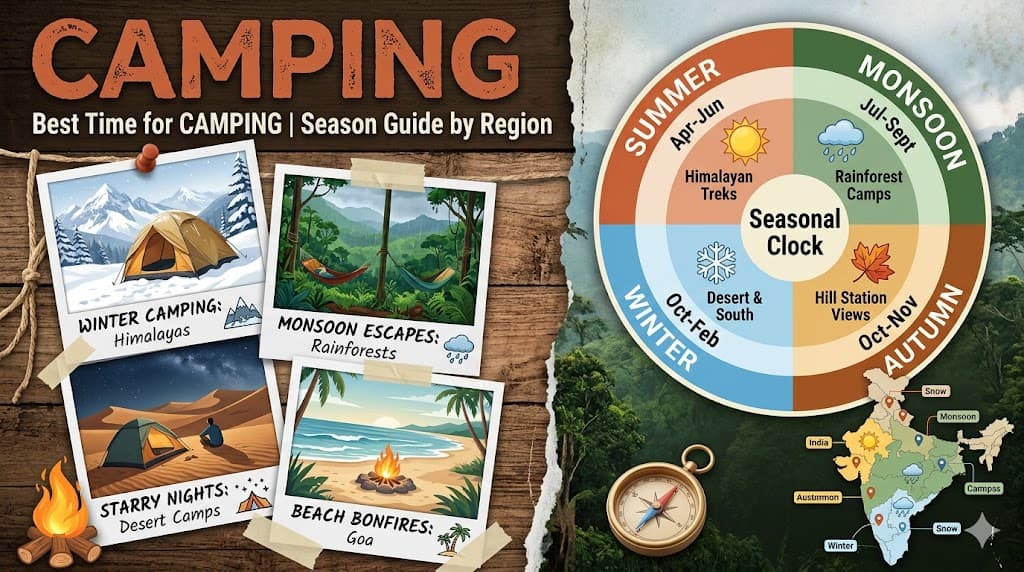
So, when’s the best time to pitch your tent?
Trying to camp in the heat of monsoon or chilly winter really kills the vibe.
Getting to a campsite is pretty straightforward.
Your options for staying are wide open:
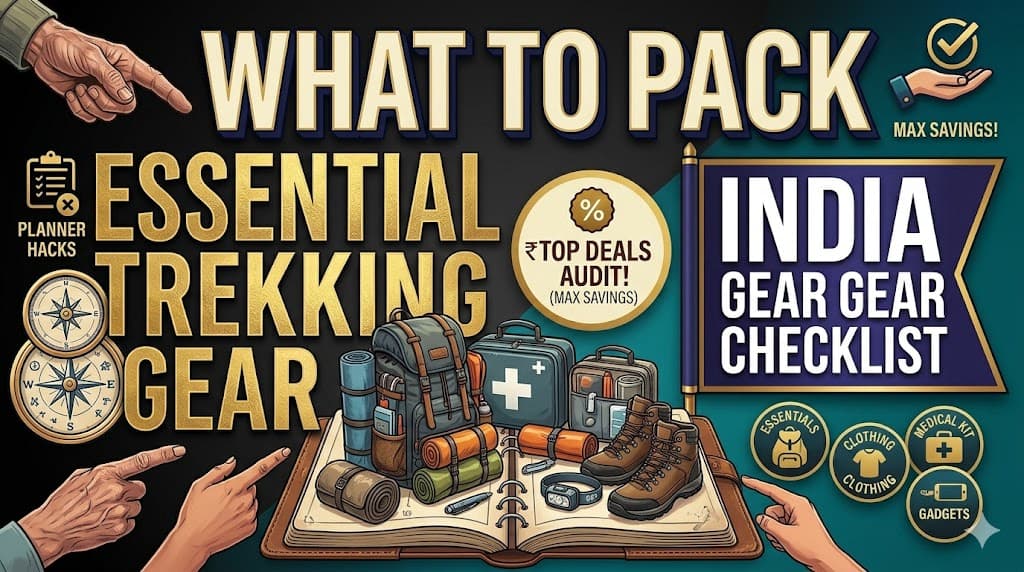
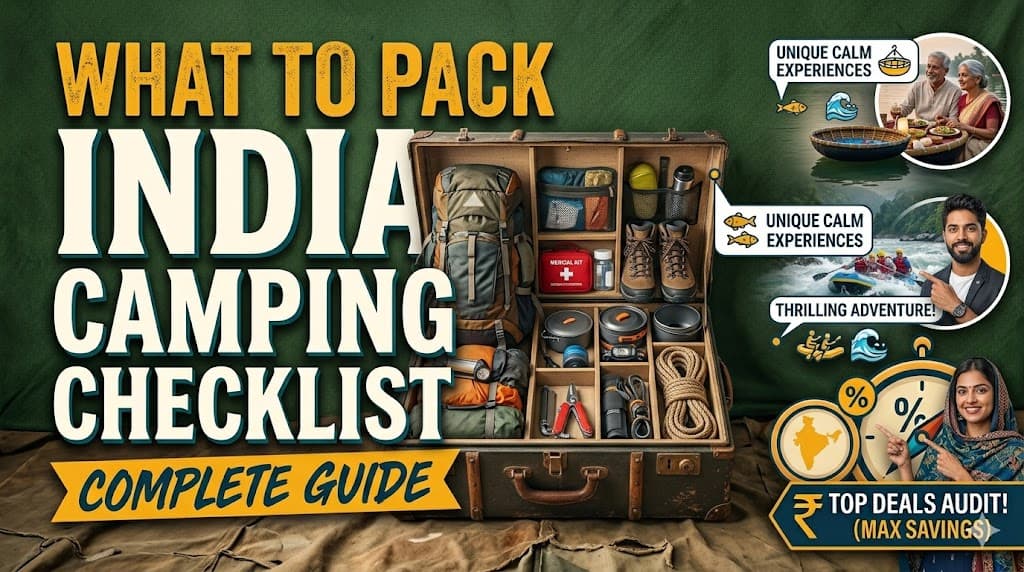
Don’t forget your gear:
Food & basics:
Safety gear:
There’s so much to enjoy:
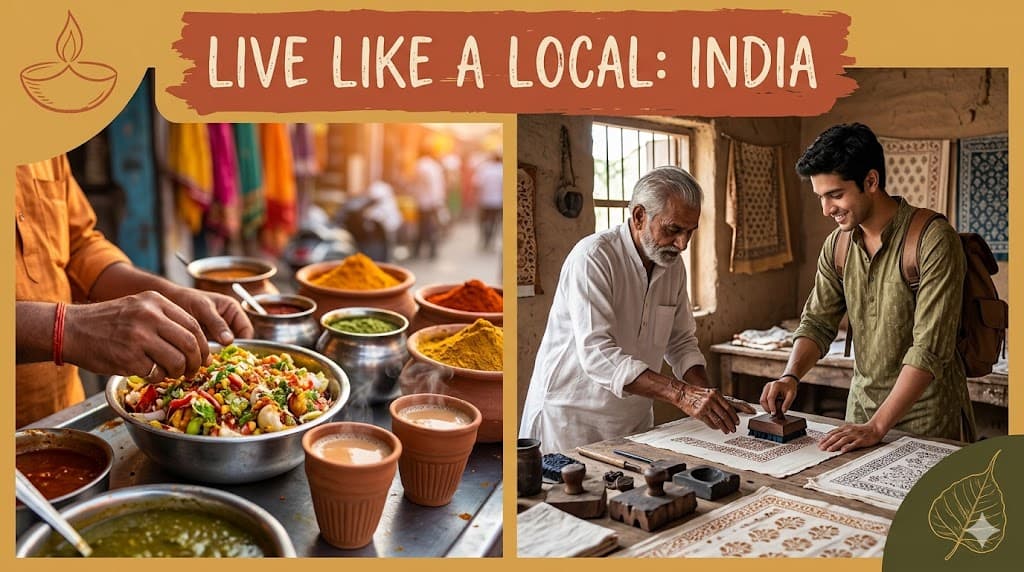
Make it even richer by trying local food, chatting with the people nearby, and showing respect for their customs—it’s just the right thing to do.
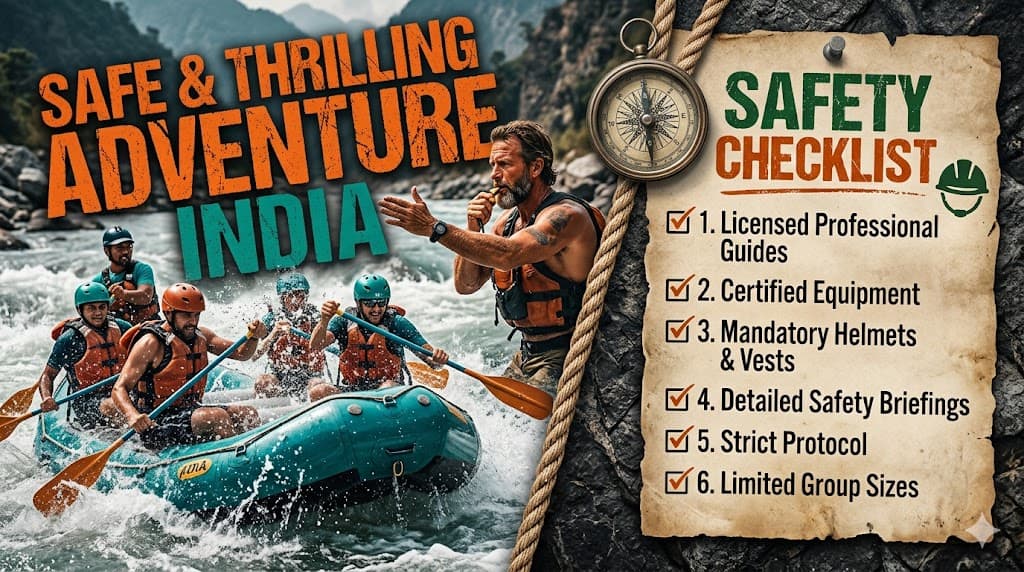
Safety should always come first:
Day 1: Arrive and unwind
Day 2: Try rafting or trekking, then relax by the campfire
Day 3: Watch the sunrise and head home
Is camping in India safe?
If you stick to verified camps and trust your gut, yes.
Where’s the best camping spot?
People love Rishikesh, Spiti, Coorg, and Jaisalmer.
Do I need my own tent?
Not always, many camps provide them.
Is camping for beginners?
Definitely—many sites cater to newbies.
In the end, camping in India is the perfect reset.
Plan smart, pack what you need, put safety first, and let yourself soak in everything the outdoors has to offer. Some of your best memories—trust me—will happen under the open sky.