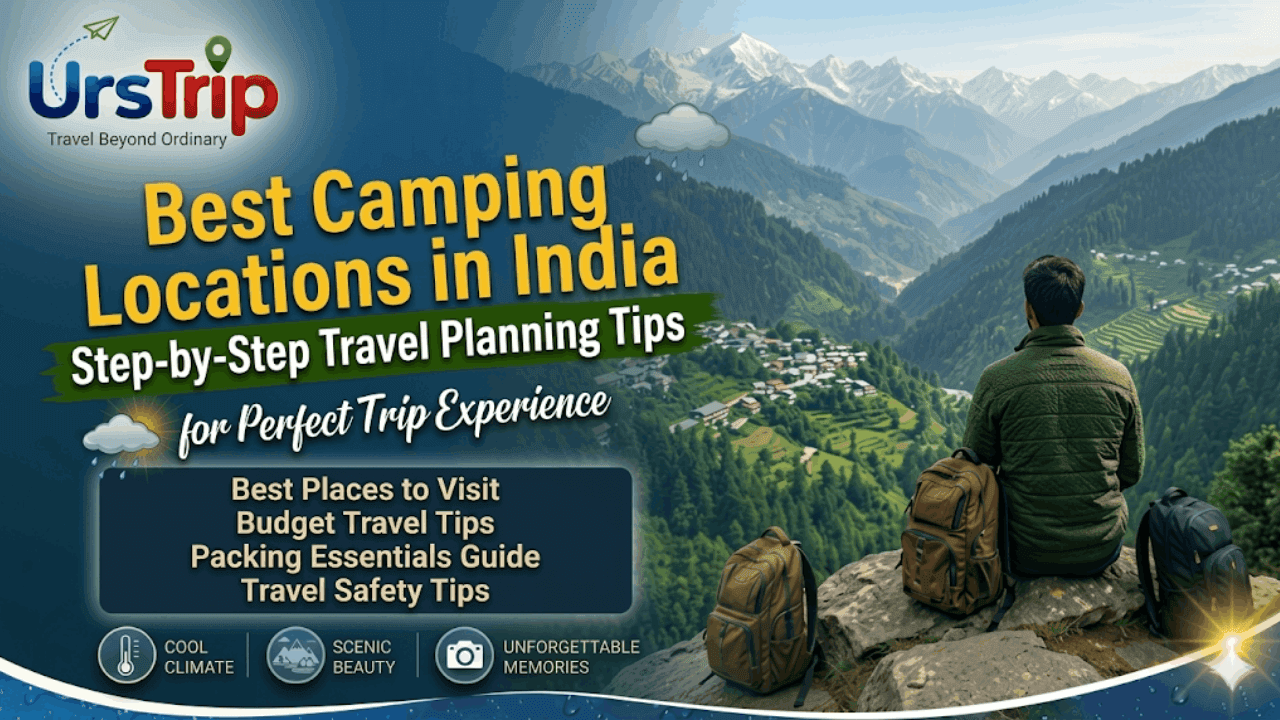
What to Pack for a Great Camping Trip
Introduction
Camping always sounds easy. You think you just need a tent, a backpack, and you’re all set to enjoy the great outdoors.
But trust me, forgetting even one small thing—a flashlight, a warm jacket, or extra socks—can turn a fun trip into a hassle. A great camping experience comes down to packing wisely, not hauling your whole house on your back.
Here’s how to get it right, especially if you’re planning to camp in India.
The Basics of Camping in India
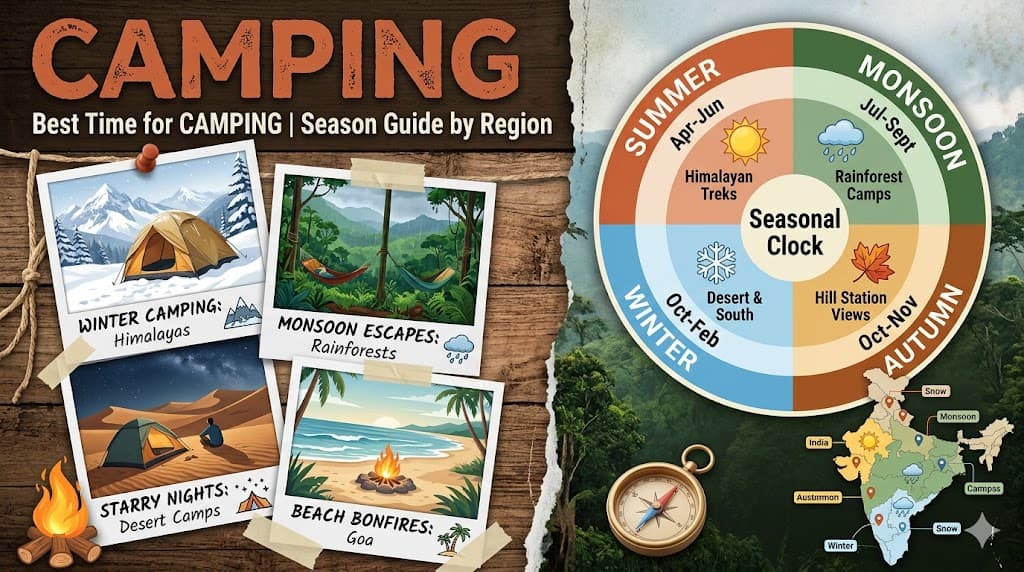
From snowy hills up north to sandy deserts in the west and lush forests down south, India’s landscapes are incredibly diverse. So is the weather.
Your packing list needs to match your location and the season.
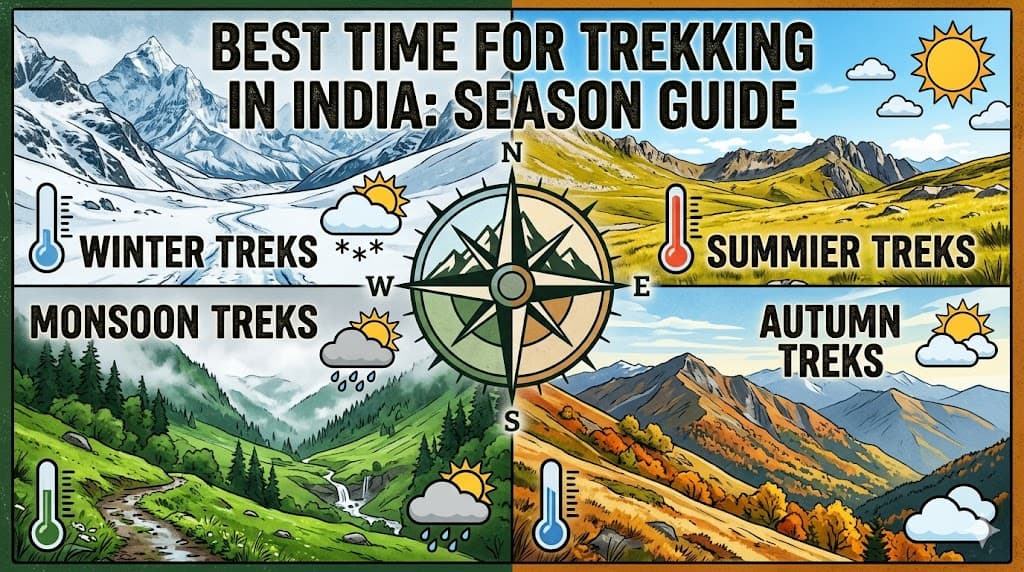
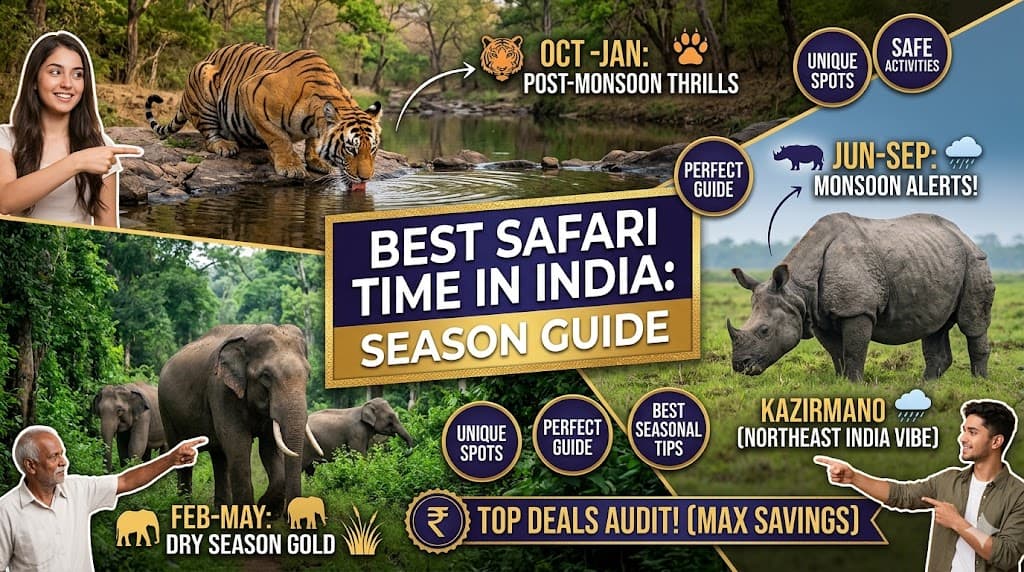
When to Go (And What to Bring)
- Summer: Pack light, breathable clothes and don’t forget sunscreen.
- Winter: Bring warm layers—think thermal wear and a cozy jacket.
- Monsoon: Go waterproof from head to toe. You’ll want rain gear for sure.
How To Get There
Usually, it’s a mix of trains or flights to the nearest big town, then a local bus, cab, or maybe a short trek.
Try to get to your site well before sunset—it makes set-up way easier.
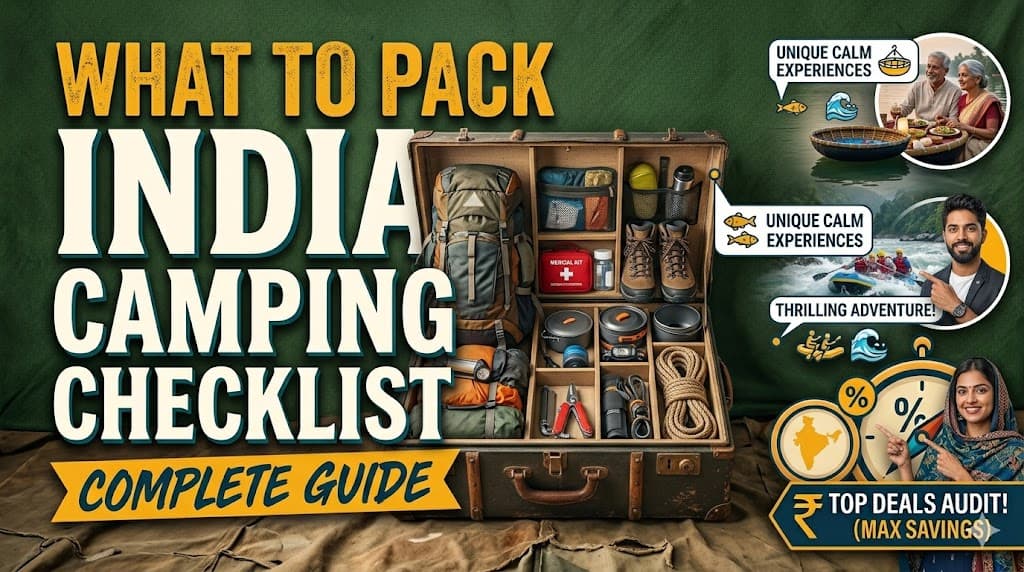
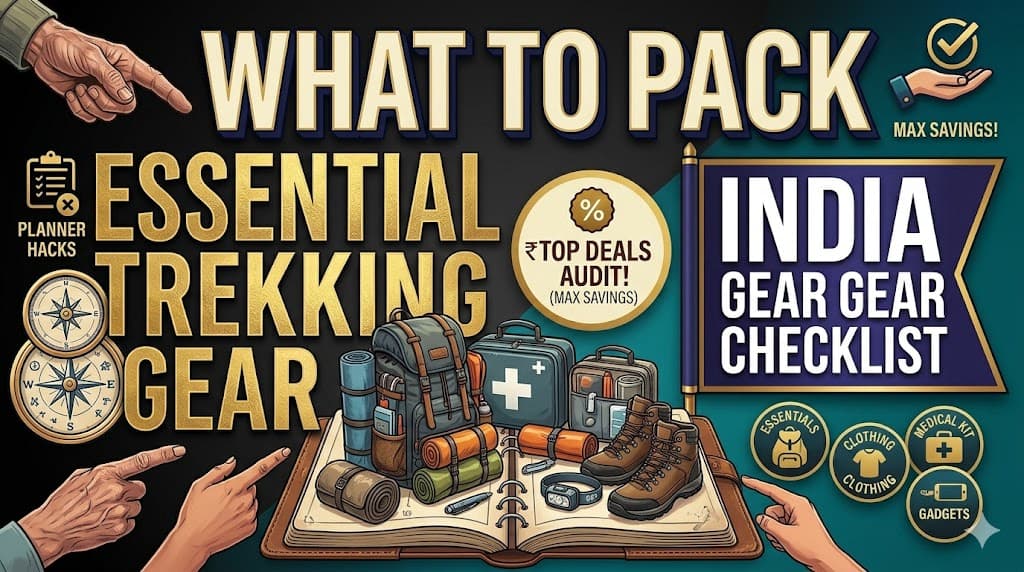
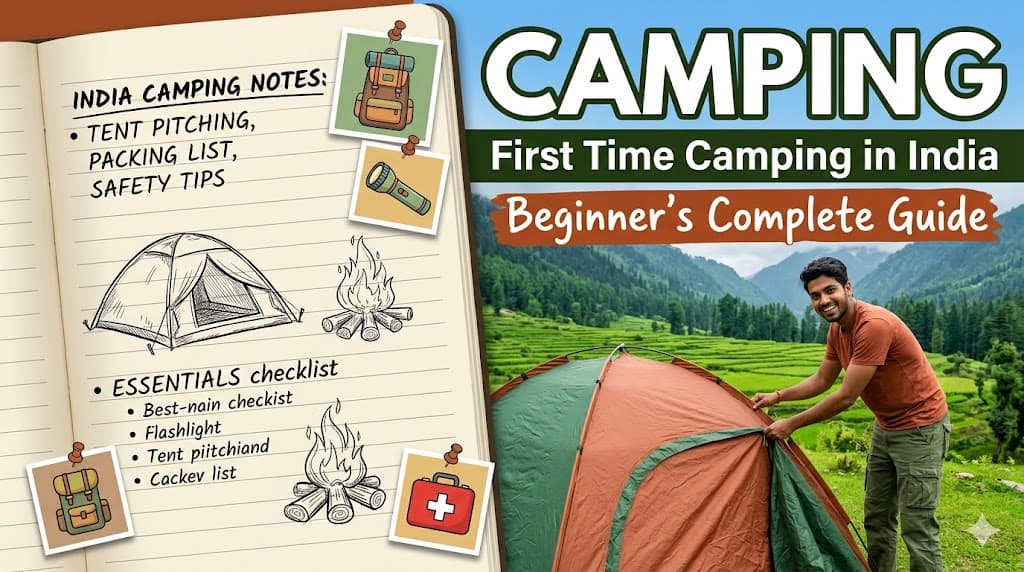
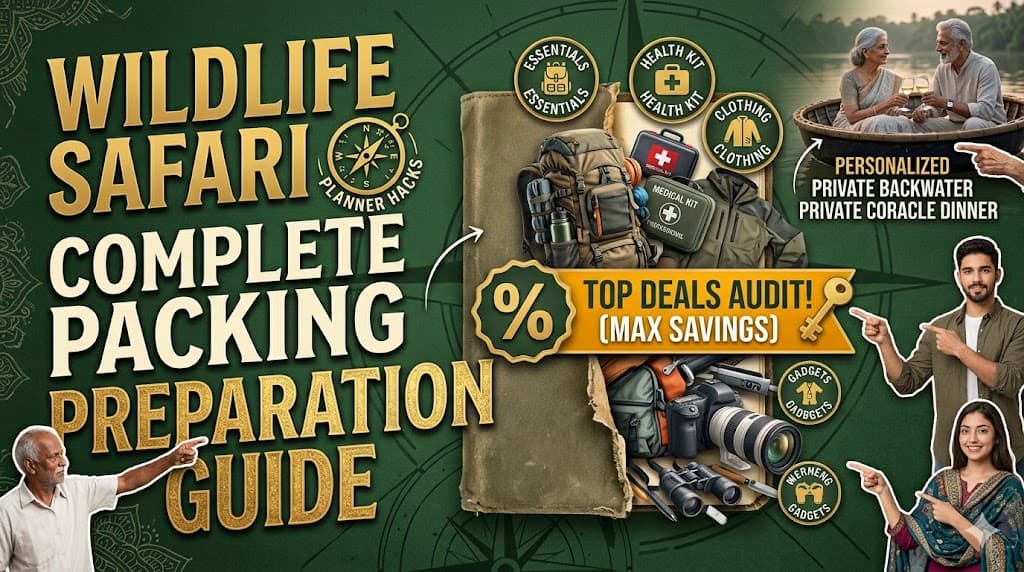
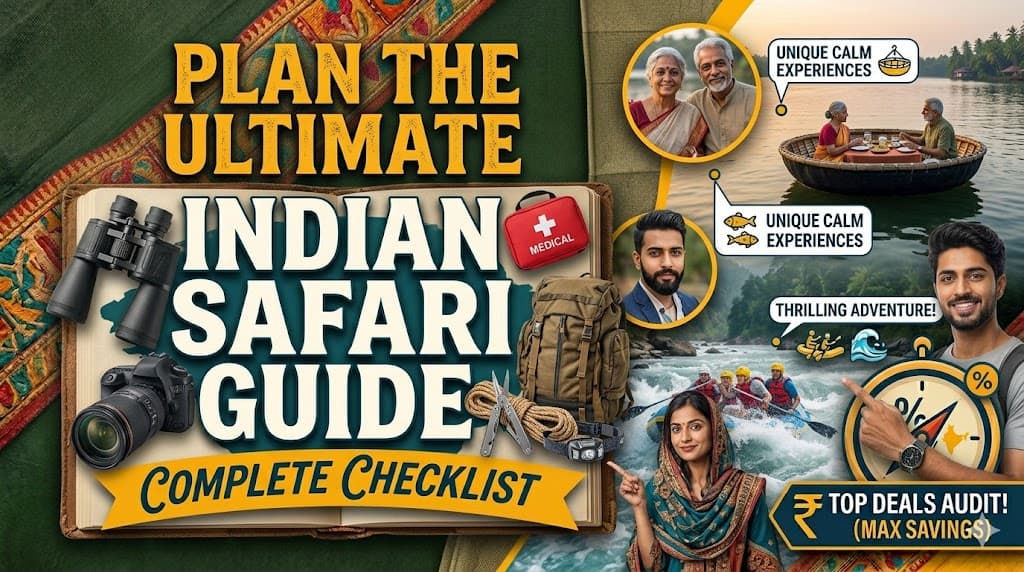
The Real Camping Packing List
1. Shelter & Sleep
- Tent suited to the weather
- Sleeping bag for the season
- Sleeping mat or inflatable mattress
- Groundsheet
2. Clothes (Smart, Not Overboard)
- Light clothes for the day
- Warm jacket for the evening
- Raincoat or poncho
- Extra socks and innerwear
- Good trekking shoes
Remember, don’t overpack. Pick clothes that work for a range of conditions.
3. Food & Water
- Ready-to-eat meals
- Snacks—nuts, protein bars, whatever keeps you going
- Portable stove, if allowed
- Cooking gear
- Reusable water bottles
4. Lights & Power
- Flashlight or headlamp (super important)
- Spare batteries
- Power bank
5. Toiletries & Hygiene
- Toothbrush, soap, tissues
- Wet wipes and sanitizer
- Quick-dry towel
6. Safety Kit
- First-aid kit
- Any personal meds
- Mosquito repellent
- Sunscreen
7. Tools & Navigation
- Map or GPS app that works offline
- Multi-tool or Swiss knife
- Rope or duct tape (always comes in handy)
8. The Extras
- Sturdy backpack—don’t skimp on this
- Trash bags for your waste
- Notebook or journal
- Camera, if you want
Where to Sleep: Camp Styles
- Organized camps: Everything’s set up. Just carry your basics.
- DIY camping: You’ll need all your gear.
- Glamping: Just your essentials, plus a sense of adventure.
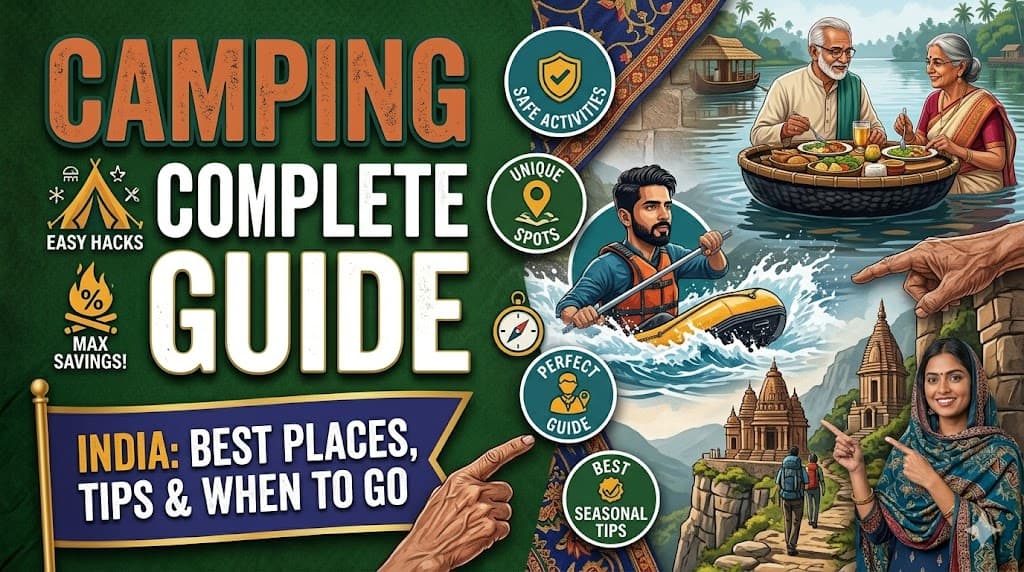
What Makes Camping Special
- Bonfires under the stars
- Nature walks and quiet riversides
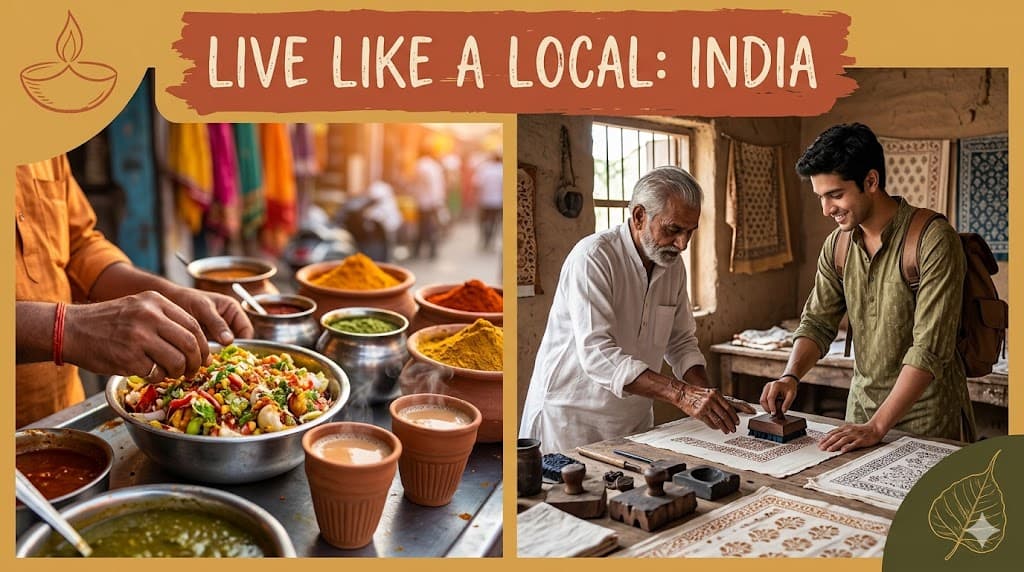
- Pick up some local food, talk to the villagers, and support small vendors—makes your trip better and helps the community too
Money-Saving Tips
- Borrow or rent gear instead of buying, especially if you’re not planning to camp often
- Share equipment with friends. No need for everyone to carry a stove or tarp
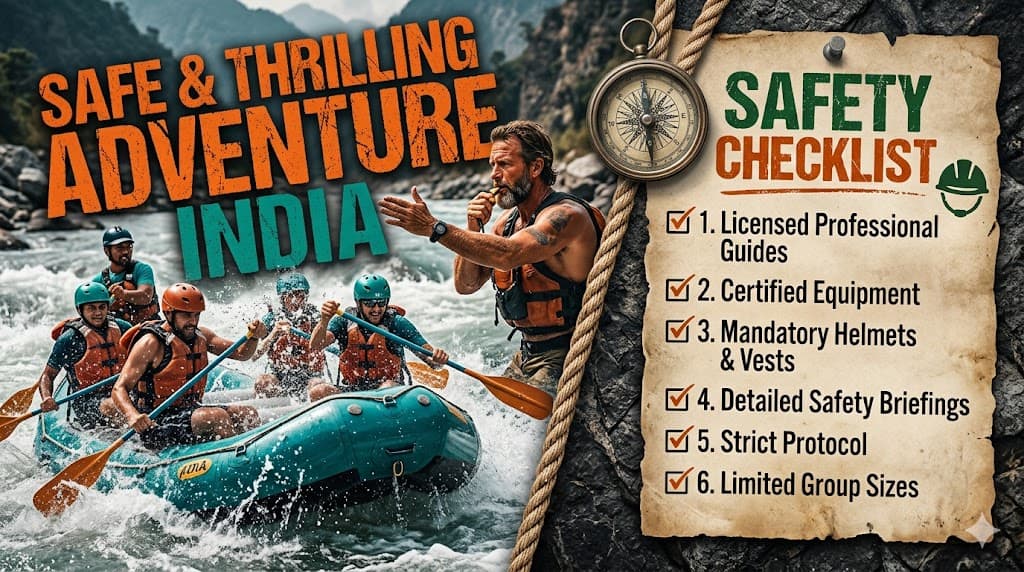
Safety First
- Let someone know where you’ll be
- Stay away from risky or unfamiliar spots
- Have emergency contacts on hand
- Store your food properly—don’t tempt wildlife
Getting Ready: A Simple 3-Day Prep
Day 1: Pack your essentials, check the weather, charge your devices
Day 2: Arrive early, set up camp, sort out your gear
Day 3: Explore, relax, and keep your must-haves within reach
Common Mistakes
- Packing too much or too heavy
- Forgetting lights or batteries
- Ignoring the weather forecast
- Not carrying enough water
Quick-Glance Checklist
- Tent and sleeping stuff
- Clothing layers
- Food and water
- First-aid kit
- Flashlight
Fast FAQs
Most important item?
A solid tent and sleeping set-up.
How much should you pack?
Keep it light, but cover your bases.
Is a first-aid kit necessary?
Absolutely—don’t skip it.
Can beginners handle camping?
Of course, if you plan and pack properly.
In the End
Camping isn’t about taking everything you own. It’s about choosing the right stuff so you can actually enjoy the experience.
When you’re prepared, you get to focus on the best parts—fresh air, starry nights, and memories you’ll always remember. Keep things simple, stay organized, and you’ll have a great time out in the wild.